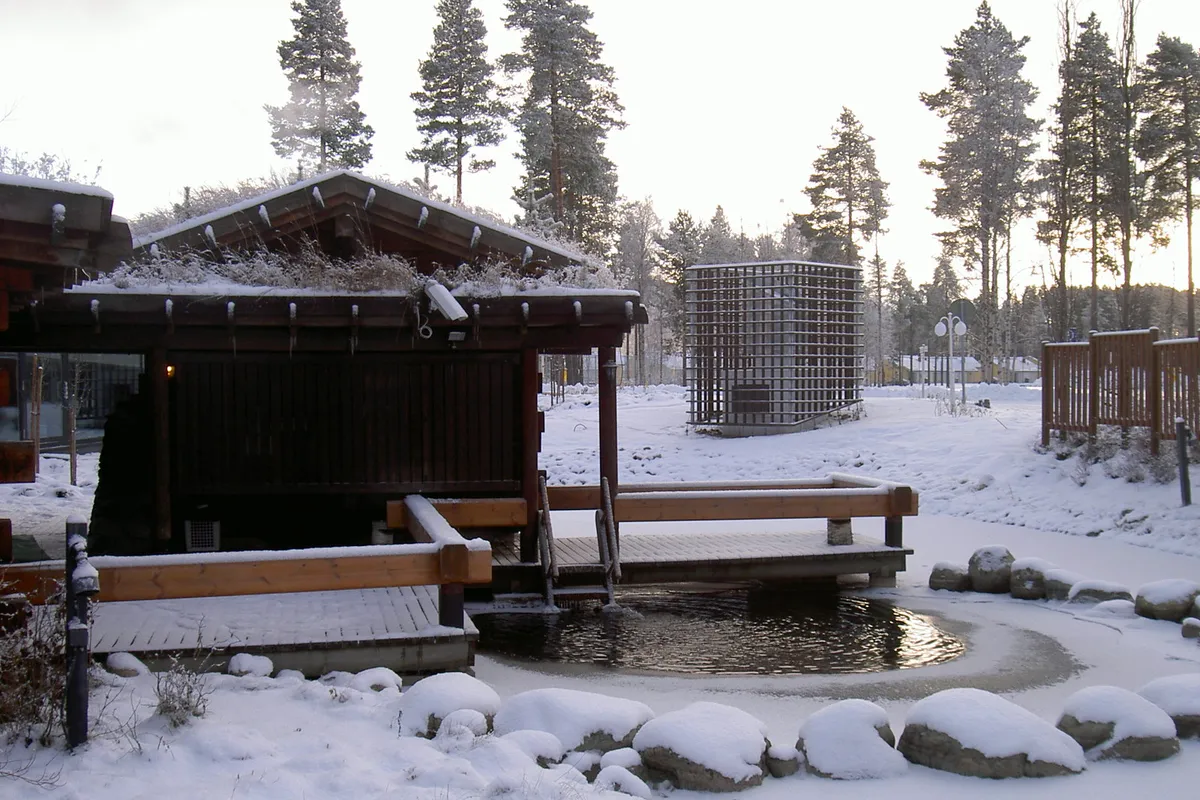
SA-CA-041 · Reference Configuration
Traditional Log Sauna
- Traditional
- 5–6 people
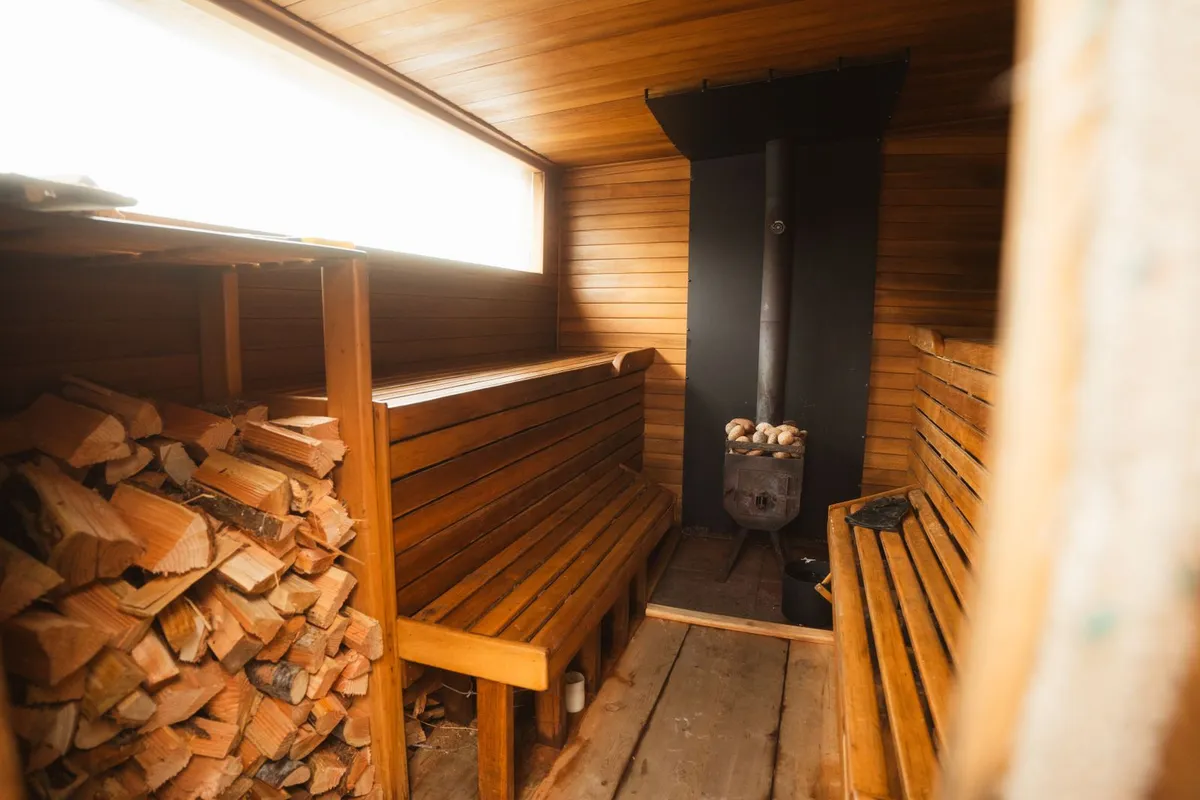
- Wood-burning
- Stacked pine logs
- Wood-burning, high stone capacity
- Solid stacked log walls
- 11 × 9 ft reference footprint
- Professional log build
Sauna type
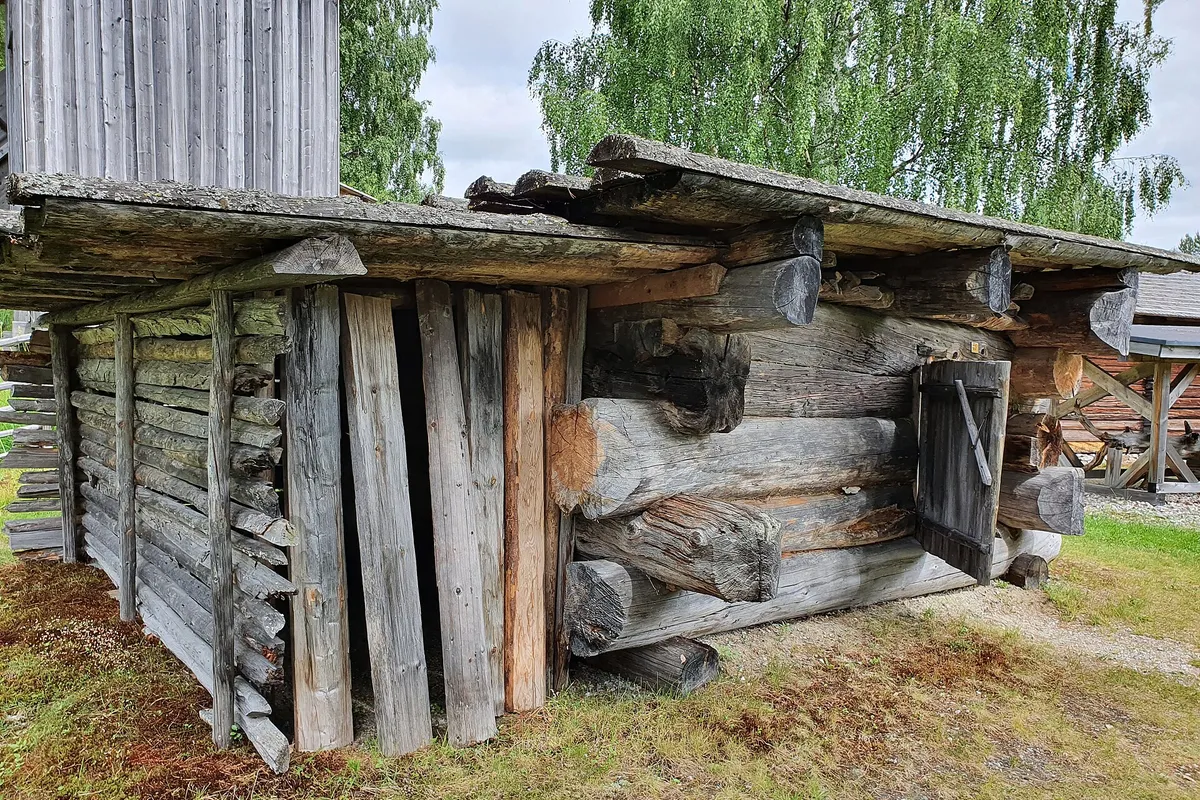
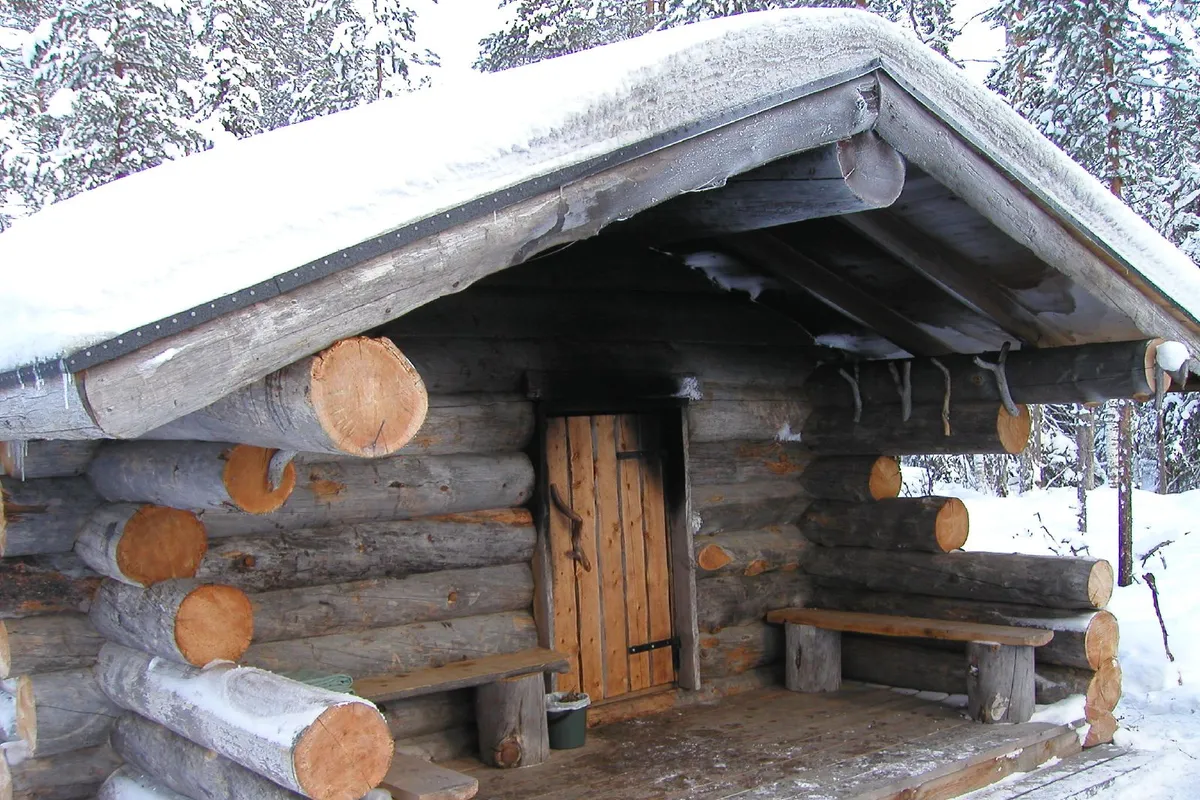
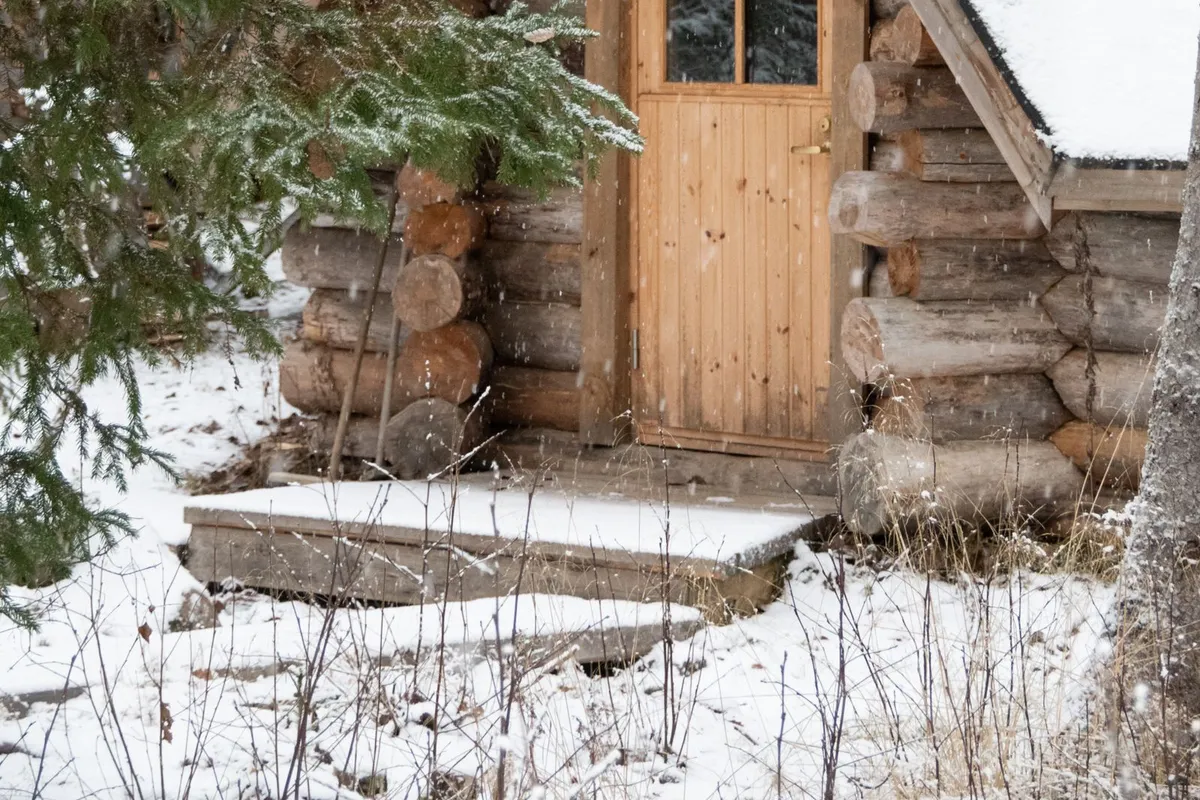
Log saunas are built from solid stacked timbers, giving thick thermal mass, a naturally robust structure and a timeless look. The mass moderates temperature swings and suits cottage and woodland settings — at the cost of weight, settling and a slower warm-up.
SA-CA-041 · Reference Configuration
SA-CA-042 · Reference Configuration
SA-CA-043 · Reference Configuration
SA-CA-044 · Reference Configuration
SA-CA-066 · Construction Archetype
Log saunas are built from solid stacked timbers, and that mass changes how they behave. The thick timber walls store heat and moderate temperature swings, giving a steady, enveloping warmth once the room is up to temperature, along with a timeless cottage-and-woodland look that suits a rural or lakeside lot. Solid timber also buffers interior humidity in a way a thin lining cannot.
The mass comes at a price. Log saunas are heavy and need a solid, well-drained foundation; the logs settle and shrink over time, so doors, windows and corners must be detailed to allow for movement; and they warm more slowly than a light, insulated framed room. They are usually wood-fired and best suited to a cottage or lakeside setting where their character and thermal mass are an asset rather than an overhead.
Their mass moderates temperature well once warm, but they warm up more slowly than a light, insulated framed room, so they suit longer sessions.
The timber mass carries much of the thermal behaviour; detailing focuses on sealing, settling gaps and the roof rather than cavity insulation.
A solid, level, well-drained base — typically concrete piers or a slab — because of the considerable weight.
Often, yes; the traditional, off-grid cottage context pairs naturally with a wood stove, though electric is possible.
Yes — solid timber settles and shrinks, so doors, windows and corners need detailing that allows for movement.