Sauna type

Barrel Saunas

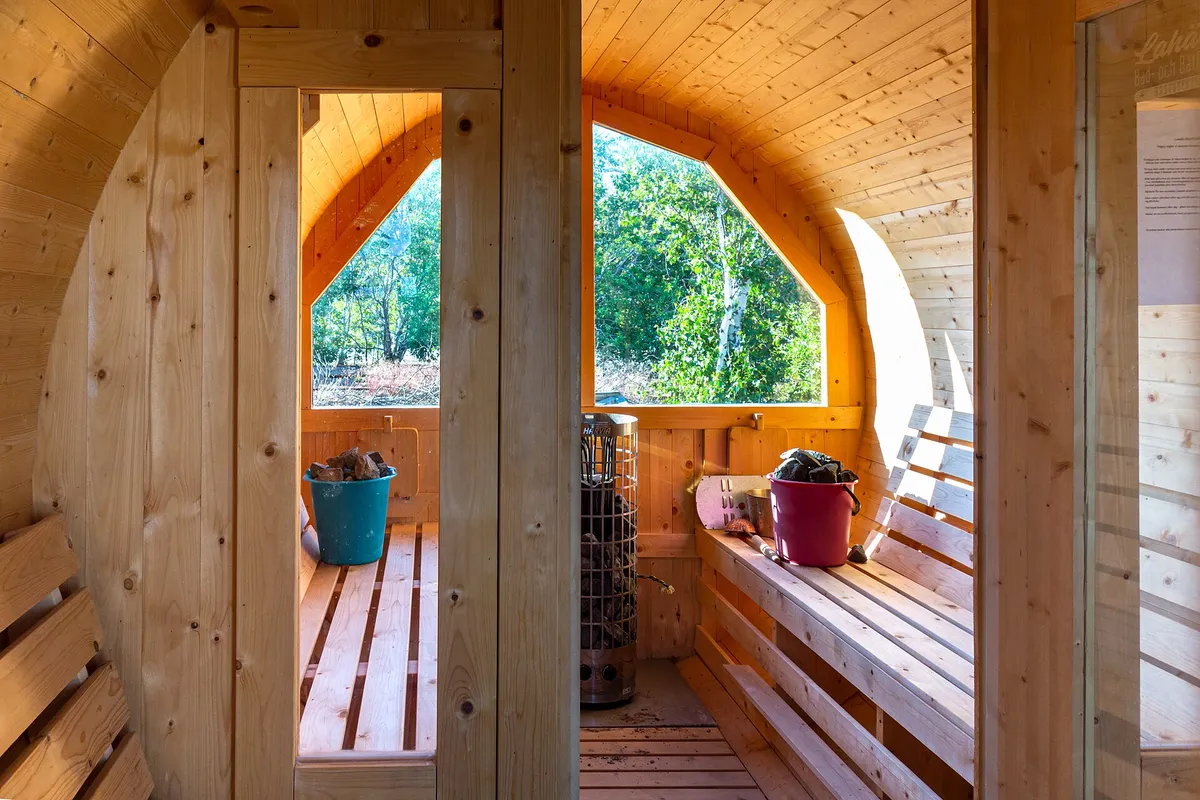
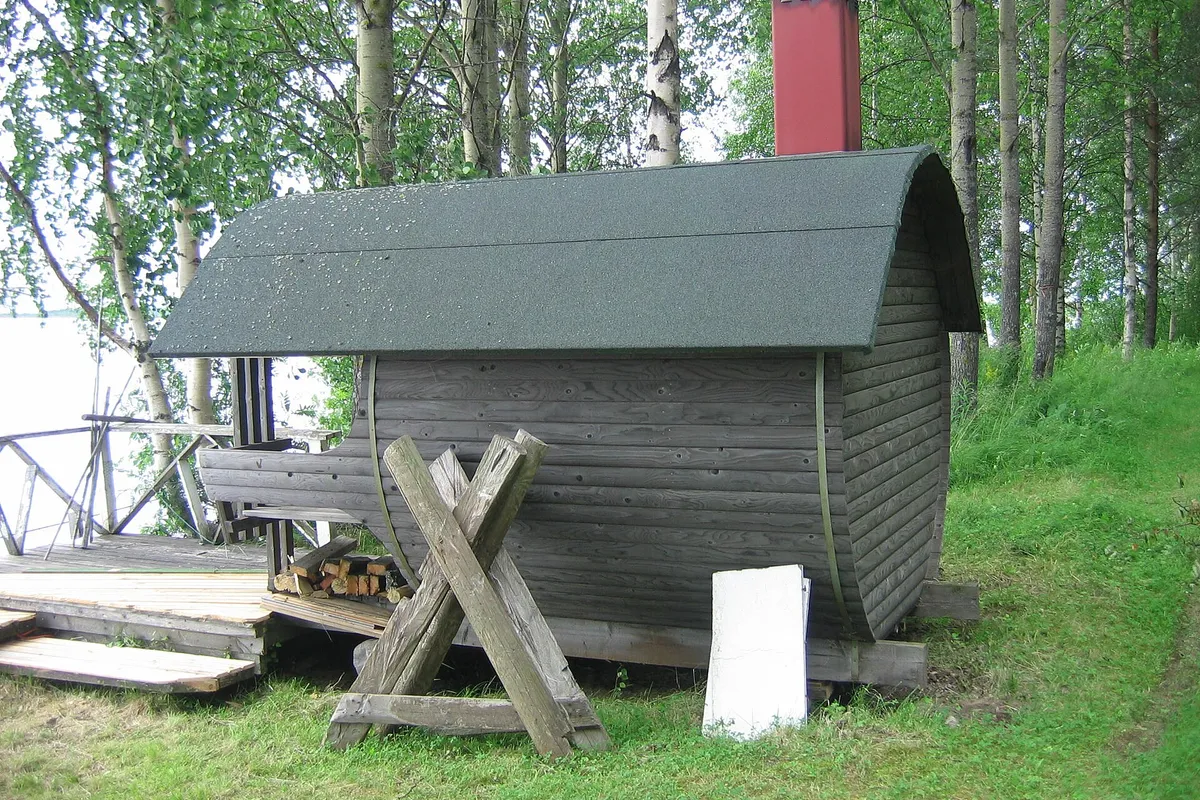
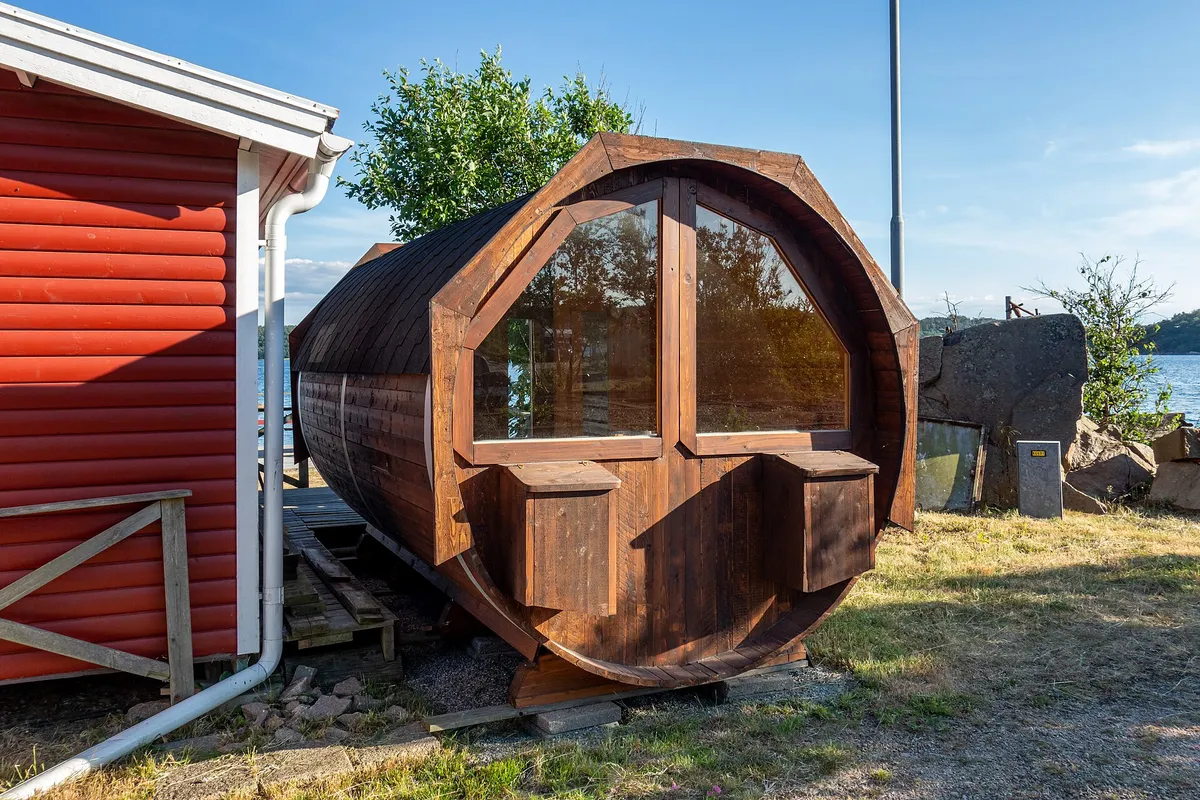
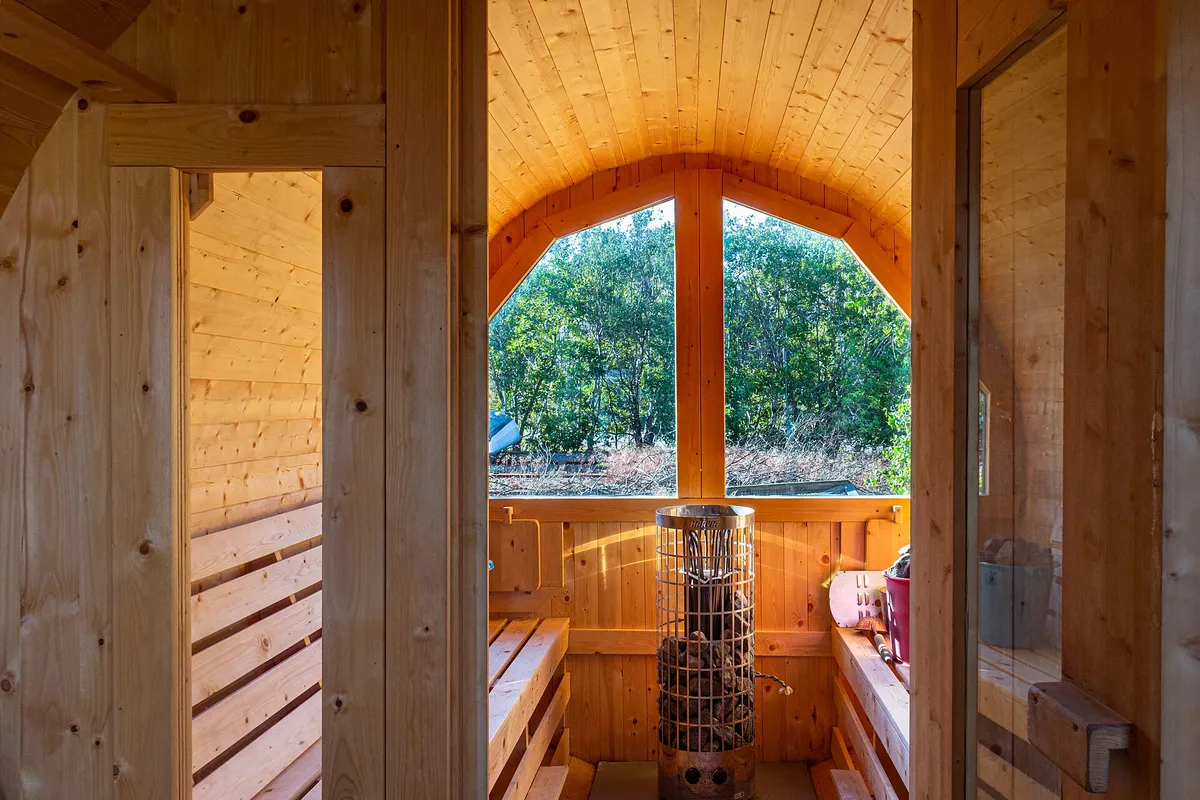
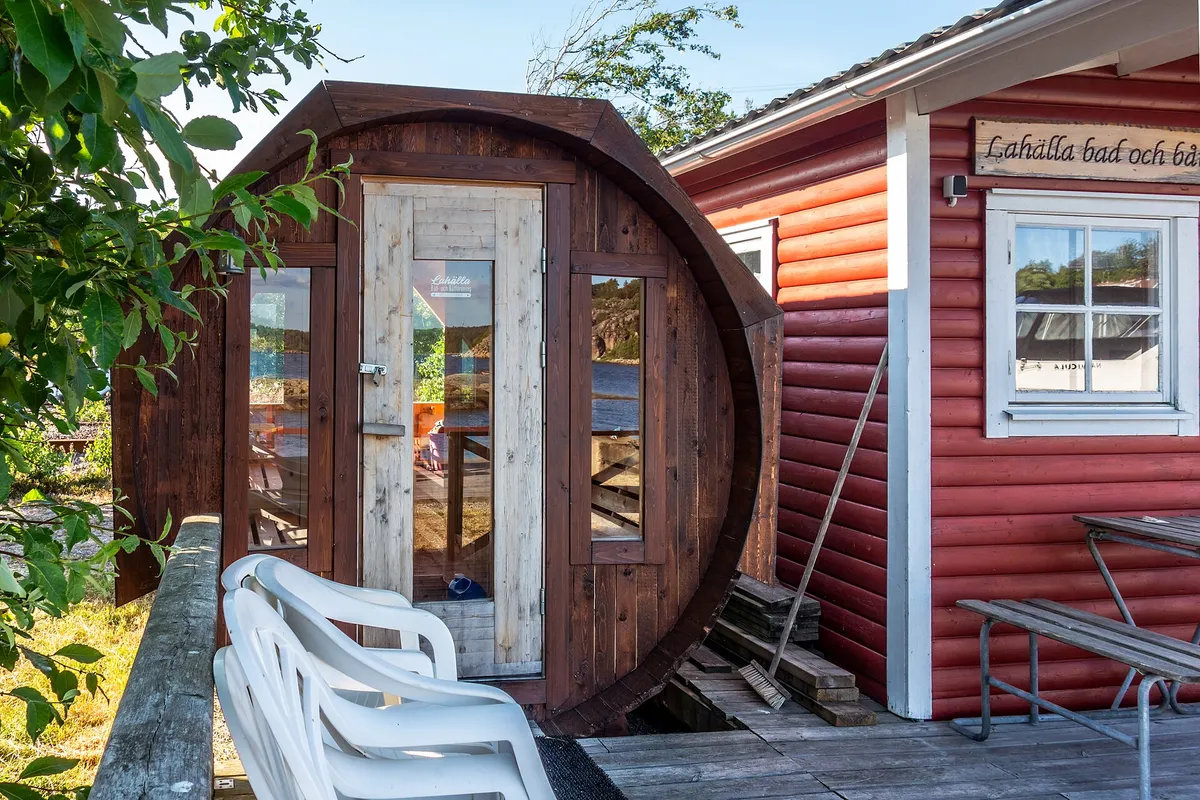
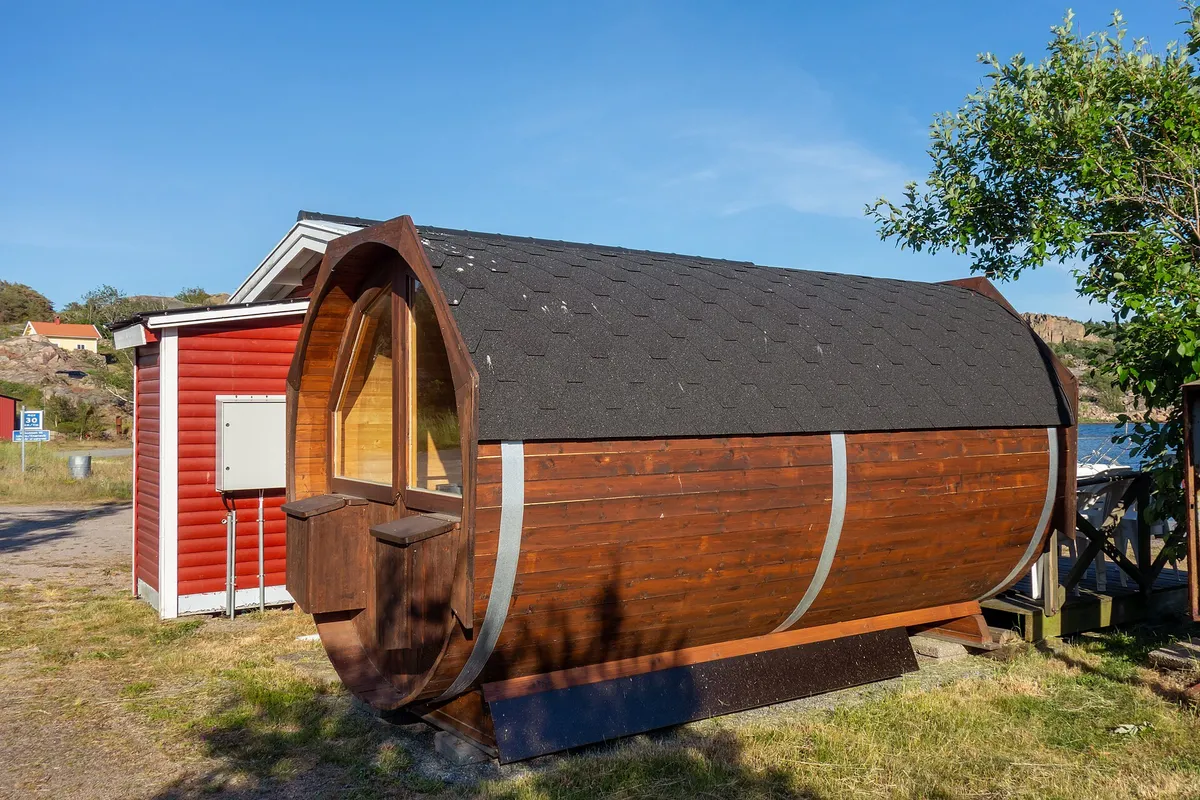
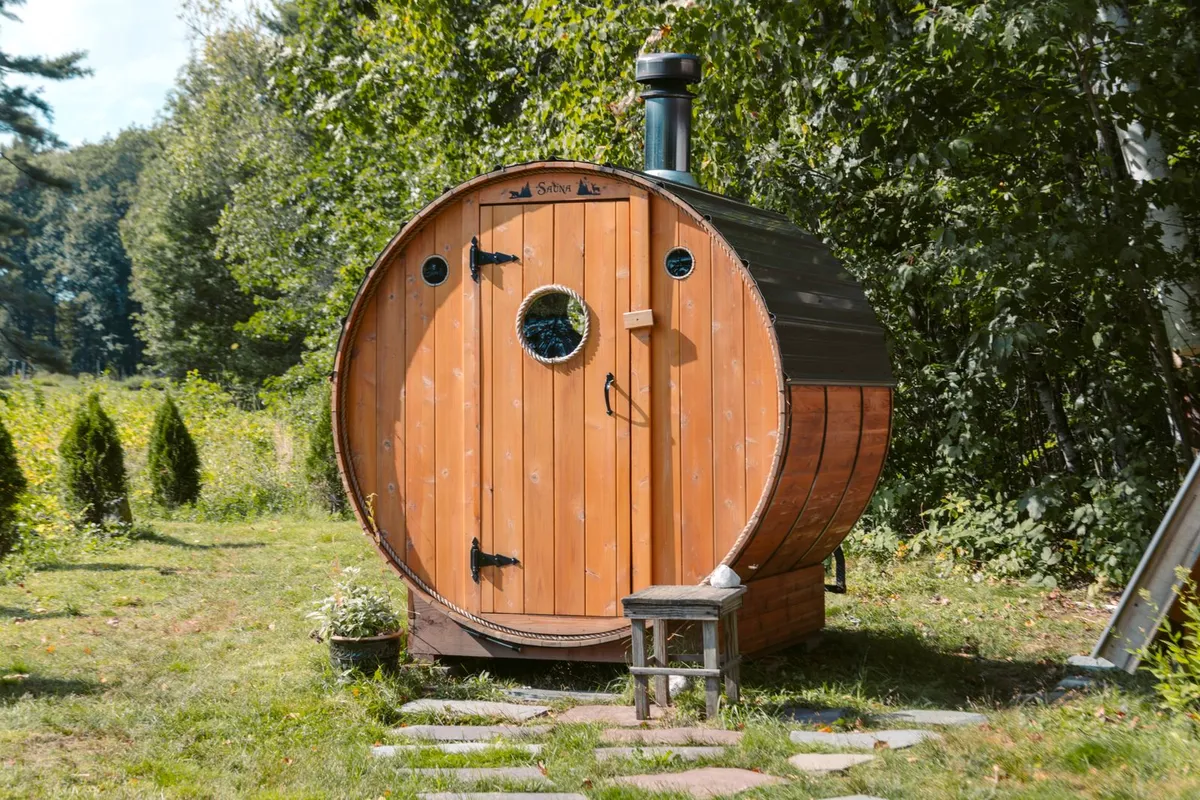
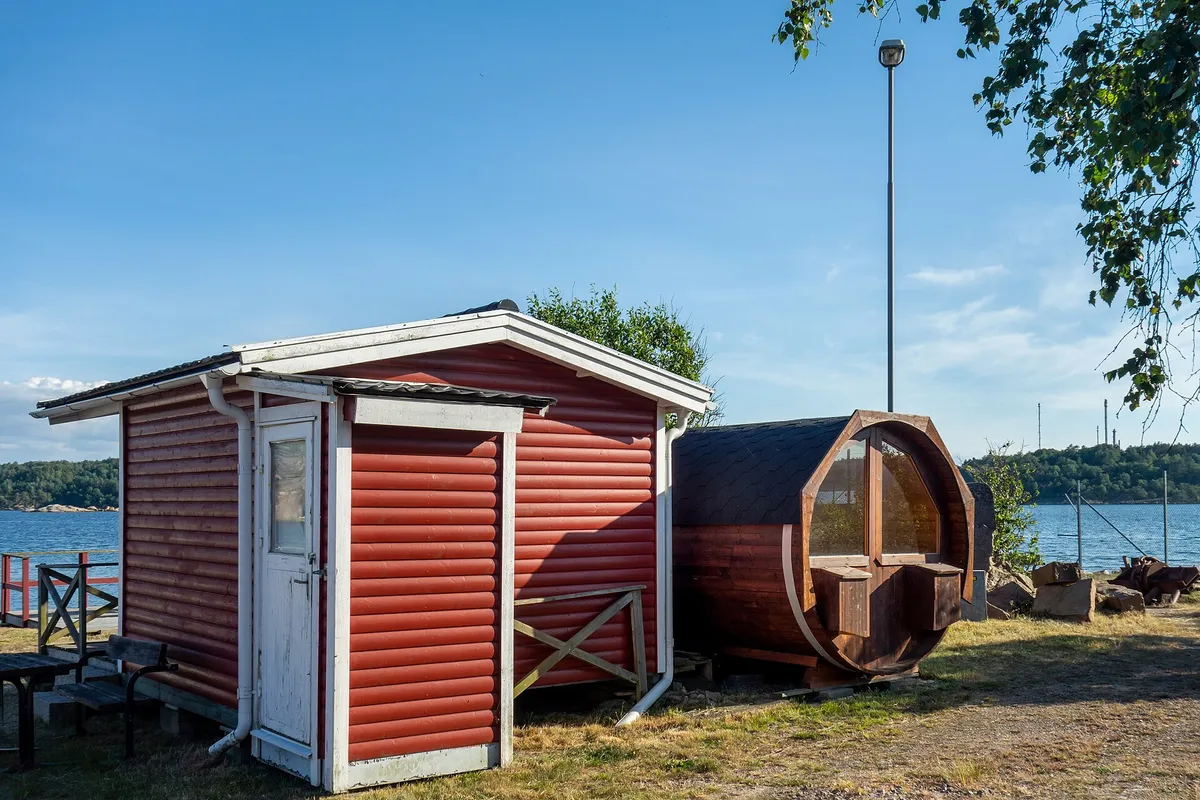
Barrel saunas are cylindrical rooms assembled from machined staves drawn together with steel bands. The curved section reduces the air volume above the bathers, so a barrel warms up quickly for its size and uses relatively little material. They are among the most approachable structures to assemble, which is why they are the archetype most people picture first.

Advantages

  • Curved section warms up quickly for the interior volume
  • Kit-style assembly is beginner-friendly
  • Compact rounded footprint suits tight yards
  • Efficient use of material

Limitations

  • Curved walls make interior changes and shelving awkward
  • Typically only lightly insulated versus a framed cabin
  • Bands and staves need periodic maintenance as the wood moves

Barrel Saunas in the catalogue

All profiles →

SA-CA-002 · Reference Configuration

Four-Person Barrel Sauna

  • Traditional
  • 3–4 people
  • Wood-burning
  • Western red cedar staves
  • Wood-burning stove, high stone capacity
  • Curved cedar barrel section
  • 6 × 6.5 ft reference footprint
  • Beginner-friendly kit-style build
View profile

SA-CA-026 · Design Profile

Barrel Sauna with Covered Porch

  • Rustic
  • 3–4 people
  • Wood-burning
  • Western red cedar staves
  • Wood-burning, covered entry porch
  • Curved cedar barrel
  • 9 × 6.5 ft footprint incl. porch
  • Sheltered cooling spot
View profile

SA-CA-025 · Reference Configuration

Off-Grid Wood-Fired Barrel Sauna

  • Rustic
  • 3–4 people
  • Wood-burning
  • Western red cedar staves
  • Fully off-grid, wood-burning
  • Quick-warming curved barrel
  • 7 × 6.5 ft footprint
  • Beginner kit-style build
View profile

SA-CA-024 · Design Profile

Thermowood Barrel Sauna

  • Minimalist
  • 3–4 people
  • Electric
  • Thermowood staves
  • ≈6–8 kW electric heater class
  • Full thermowood, dark tone
  • Very stable, low maintenance
  • 6 × 6.5 ft footprint
View profile

SA-CA-023 · Reference Configuration

Electric Backyard Barrel Sauna

  • Nordic
  • 3–4 people
  • Electric
  • Thermowood staves
  • ≈6–8 kW electric heater class
  • Thermowood barrel, no chimney
  • 6.5 × 6.5 ft footprint
  • Beginner kit-style build
View profile

SA-CA-021 · Reference Configuration

Six-Person Barrel Sauna

  • Traditional
  • 5–6 people
  • Wood-burning
  • Western red cedar staves
  • Wood-burning, high stone capacity
  • Long six-seat barrel
  • 8 × 7 ft reference footprint
  • Facing-bench group layout
View profile

SA-CA-020 · Reference Configuration

Compact Two-Person Barrel Sauna

  • Traditional
  • 1–2 people
  • Electric
  • Western red cedar staves
  • ≈4.5–6 kW electric heater class
  • Curved cedar barrel section
  • 5 × 6 ft compact footprint
  • Beginner kit-style build
View profile

SA-CA-067 · Design Profile

Modern Black Barrel Sauna

  • Minimalist
  • 3–4 people
  • Electric
  • Black-stained cedar staves
  • ≈6–8 kW electric heater class
  • Black-stained curved cedar shell
  • 7 × 6.5 ft reference footprint
  • Beginner-friendly kit-style build
View profile

Why barrel saunas are so popular

The barrel is the shape most people picture when they think of an outdoor sauna, and its popularity is earned rather than accidental. The rounded section does real work: it reduces the volume of air above the bathers and keeps the hot interior surfaces close on every side, so a barrel reaches temperature faster than a boxy room of similar seating. It also uses relatively little material for the space it encloses, which helps keep the cost down.

Just as important, barrels are among the most approachable structures to own. Most arrive as kits of machined cedar staves drawn together with steel bands, which a confident first-time builder can assemble without advanced carpentry. That combination — quick, efficient heat and an easy build — is why the barrel remains the archetypal entry point into outdoor sauna ownership.

What to know before you choose a barrel

The barrel’s strengths come with trade-offs worth understanding. The curved walls that make it efficient also make interior changes — shelving, backrests, a changing area — awkward, and most barrels are only lightly insulated, so in sustained extreme cold a fully insulated cabin will hold heat more efficiently. Barrels also need periodic maintenance as the wood moves and the bands settle.

Both electric and wood-fired barrels are catalogued here, from compact two-person models to six-seat social barrels. If you want the barrel’s quick warm-up with a view, look at the glass-end profile; if you want traditional steam off-grid, the wood-fired barrels are the classic choice.
Frequently asked questions

Why do barrel saunas heat up fast?

The rounded section keeps the interior surfaces close and reduces the air volume over the benches, so the enclosed air reaches temperature quickly.

Are barrel saunas good in extreme cold?

They perform well in cold and moderate conditions but, being only lightly insulated, are generally less efficient than a fully insulated cabin in sustained extreme cold.

Can beginners assemble a barrel sauna?

Barrel kits are among the most beginner-friendly, though any wood stove and chimney must follow the manufacturer’s instructions and local fire code.

What foundation does a barrel need?

A level gravel cradle, skids or piers that keep the cradle supports stable and the barrel off the ground.

How many people fit in a barrel sauna?

Commonly two to four on facing bench runs, depending on the barrel’s length.