SA-CA-037 · Reference Configuration
Four-Person Shed Sauna
- Minimalist
- 3–4 people
- Electric
- Western red cedar
- ≈6–8 kW electric heater class
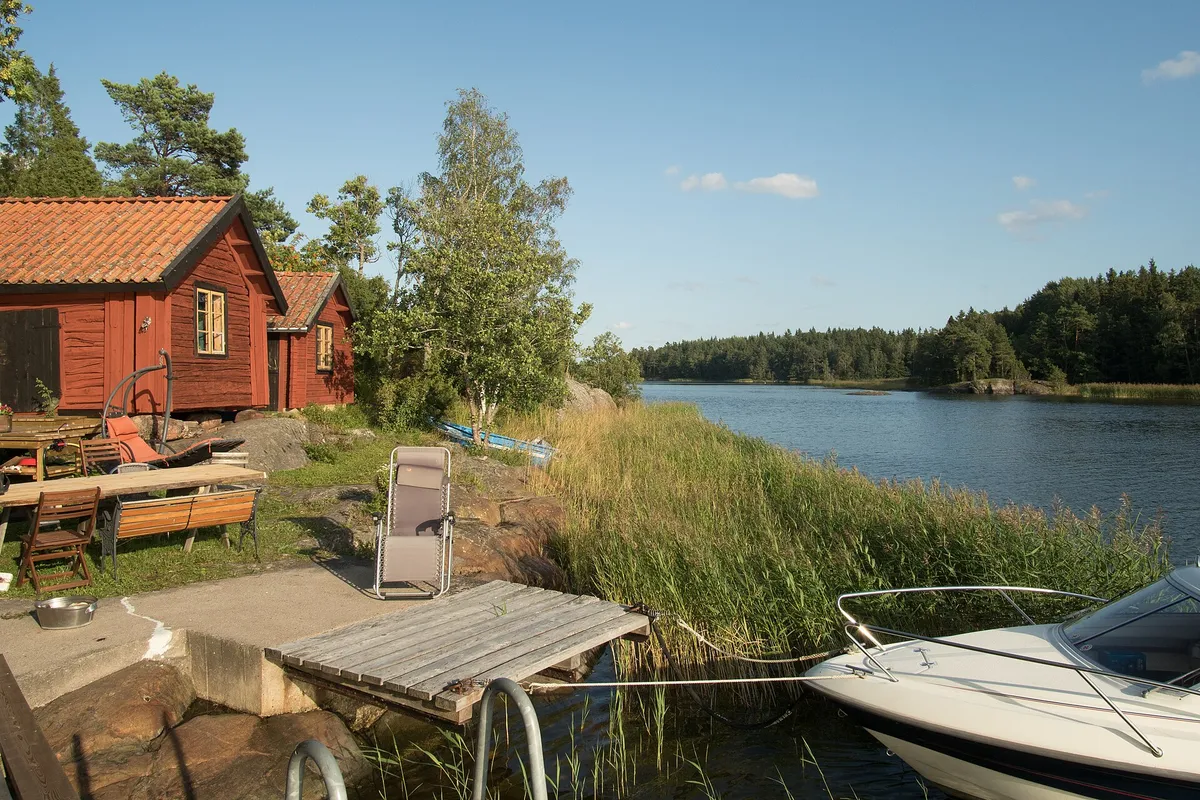
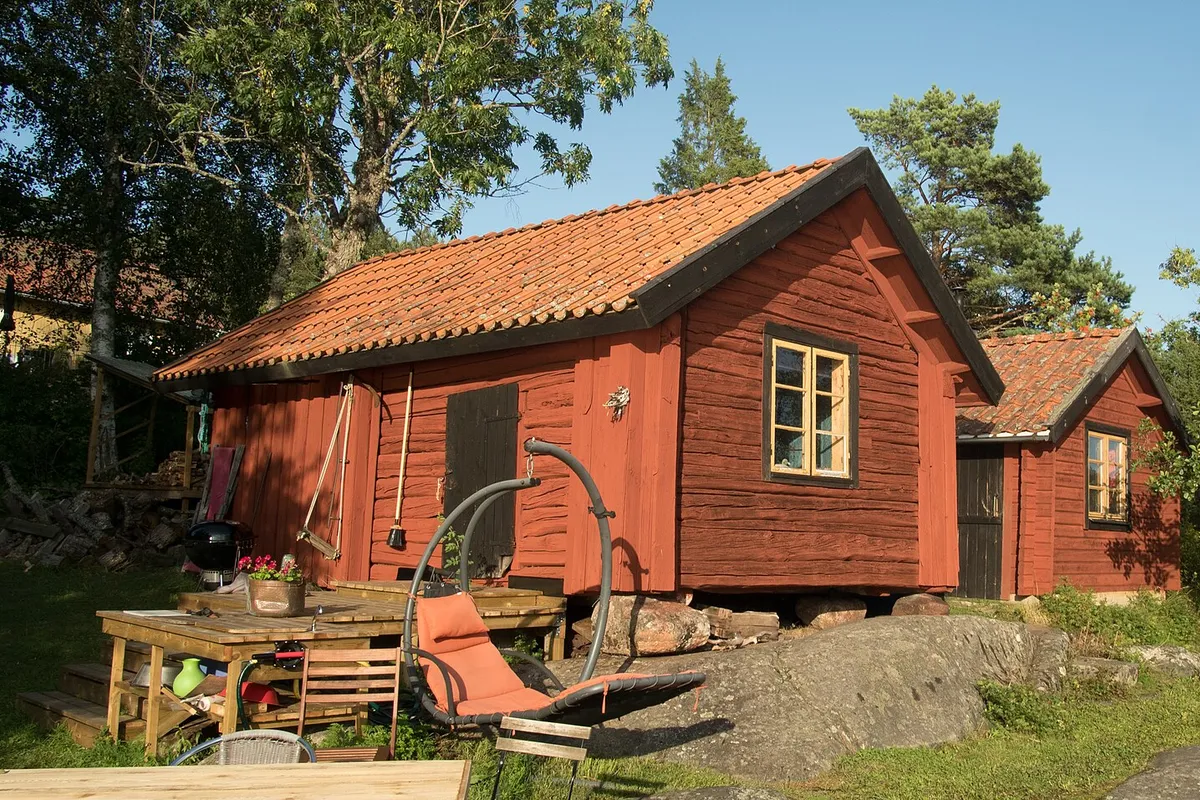
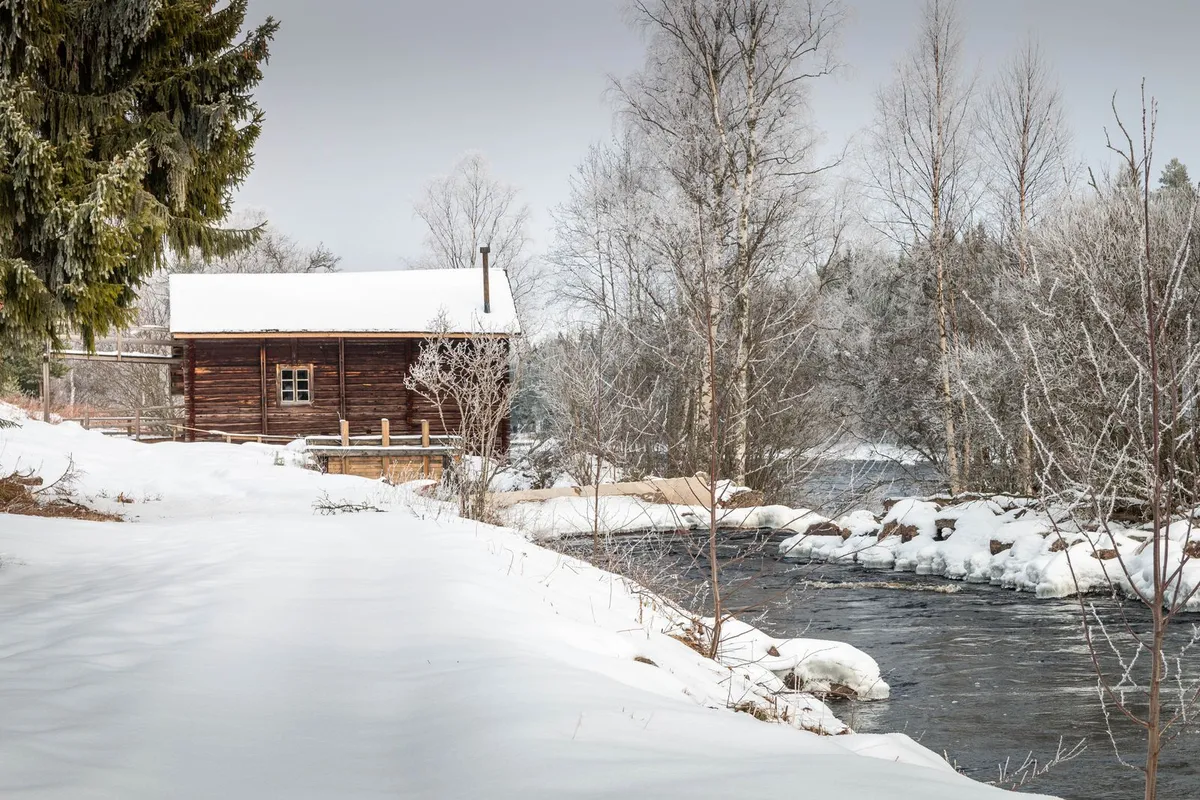
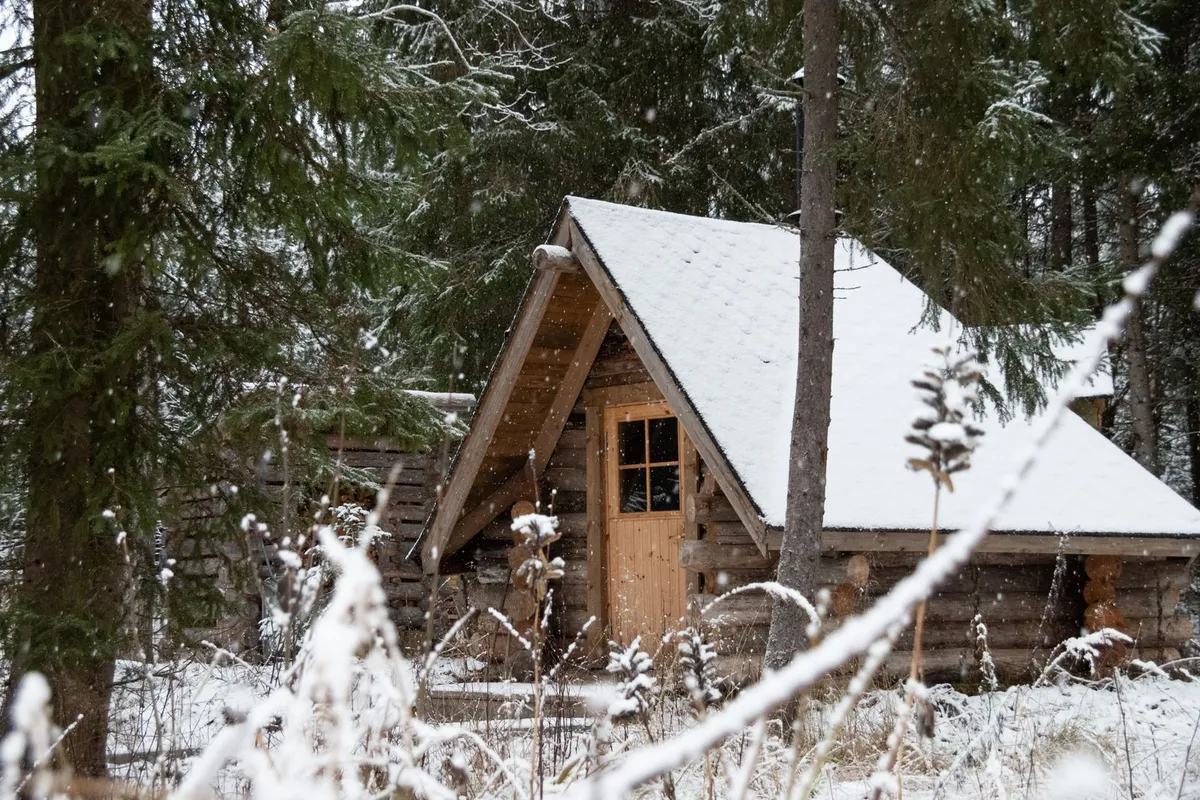
- Cedar-clad single-pitch shed
- 9 × 6.5 ft footprint
- Seats three to four
Sauna type
Shed-style saunas borrow the simple, efficient form of a garden shed — straight walls and a single-pitch or gable roof over an approachable frame. They are the most budget- and DIY-friendly cabins: quick to build, easy to insulate and flexible inside, which makes them a common first outdoor sauna.
SA-CA-037 · Reference Configuration
SA-CA-038 · Reference Configuration
SA-CA-039 · Reference Configuration
SA-CA-040 · Design Profile
SA-CA-057 · Reference Configuration
SA-CA-036 · Construction Archetype
SA-CA-072 · Reference Configuration
Shed-style saunas borrow the simple, efficient form of a garden shed — straight walls and a single-pitch or gable roof over an approachable frame. That plainness is a strength: they are the most budget- and DIY-friendly framed cabins, quick to build from common lumber, easy to insulate, and flexible enough inside to fit tiered benches and even a small changing corner.
Because the form is simple, the finish is what lifts it. Good cladding, a considered door and window, and a clean roofline turn a plain shed into a tidy, contemporary sauna — and the archive catalogues everything from a rough DIY build to a cedar-clad or modern glazed shed. For a first-time builder wanting a real, insulated room rather than a barrel, the shed is often the most sensible starting point.
Yes — the simple straight-walled, single-roof form is the most approachable framed sauna to build, which is why it suits first-time and budget projects.
Yes. Straight walls take a full mineral-wool cavity and a taped vapour barrier just like any framed cabin.
Only if left undetailed. Good cladding, a considered door and window, and a clean roofline lift the plain form considerably.
Both electric and wood work; the archive catalogues each. Electric suits serviced yards, wood suits off-grid.
A gravel pad, ground screws or piers depending on ground and frost conditions.