Guide
Sauna Glazing and Windows Explained
Glazing brings light and a view but costs efficiency. This guide explains how much to glaze, where to place windows, which glass to specify, and how to manage condensation and privacy.
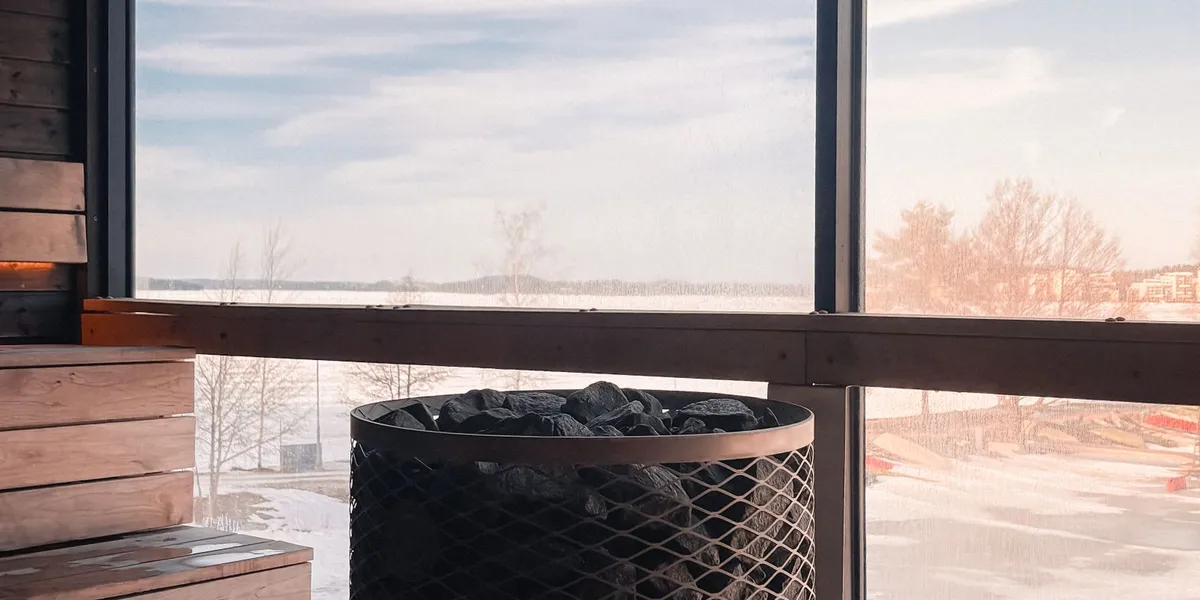
Few decisions shape an outdoor sauna as much as its glazing. A window or a glazed wall transforms the room — light floods in, the outdoors comes close, and a plain box becomes a place to sit and look out. But every square of glass has a cost in efficiency, so glazing is a decision to make deliberately, not by default. This guide covers how much to glaze, where to put it, what to specify, and how to manage the practical problems glass brings.
The trade-off, stated plainly
Glazing is the single biggest driver of heater size and warm-up time. A glazed wall, even a good one, loses several times more heat than the insulated wall it replaces, so in heating terms it behaves as though the room were larger than it is. The glazing-and-heating guide covers the mechanics; the practical upshot is that more glass means a larger heater, a longer warm-up, more condensation and a more demanding build. None of that makes glazing wrong — it makes it a choice to size and detail for.
How much to glaze
The archive grades glazing from minimal (a small window) through moderate and generous to panoramic (a full glazed wall). Choose the level by what the outlook is worth to you:
- Minimal keeps the room efficient and calm — a small window for daylight and a sense of openness, with little heat penalty.
- Moderate to generous frames a view while keeping the heater within reason.
- Panoramic maximises light and outlook, at the top of the heater range and the longest warm-up, and usually a professional build.
If efficiency matters most, glaze sparingly and put the window where it earns its place. If the view is the whole point — a garden, a forest, a lake — accept the trade-off and design for it.
Where to place windows
Placement matters as much as area:
- Toward the outlook, away from overlooking. Face glazing at the best view and away from neighbours and the street. Good placement solves most privacy problems without obscured glass.
- Mind the sun. A large glazed wall facing the harsh afternoon sun can overheat a room on a summer evening; morning light is gentler.
- Consider the bathers’ sightline. Angle benches so the upper tier shares the view, and avoid placing people directly against hot glass in strong sun.
What glass to specify
Sauna glazing uses toughened (tempered) safety glass, specified for the heat, humidity and the temperature swing between a hot room and a cold night. Beyond that, the key choice is single versus insulated units: higher-performance insulated glazing loses less heat and condenses less, and in a cold climate the extra performance is usually worth the cost for both comfort and running expense. Always follow the glazing manufacturer’s specification for the conditions.
Condensation and thermal breaks
Two related problems come with glass, and both have standard solutions:
- Condensation on a large glazed surface is managed with high-capacity, balanced ventilation and good glazing specification. Glazed profiles size their ventilation up for exactly this reason.
- Cold, dripping frames are prevented by thermal breaks — a non-conductive separation in the frame that stops heat and cold conducting straight through. Without them, frames go cold, condensation forms, and over time water stains the timber. The doors and seals guide covers the detailing.
Maintenance
Glass is low-maintenance but not no-maintenance. Expect regular cleaning, and check the seals each year for perishing or gaps — they take a beating from the heat and humidity. Attend to condensation habits (ventilate well, wipe down after use) and the glazing will stay clear and the frames sound.
Matching glazing to the profile
Different types carry glazing differently. A cube can take a single large glazed face cleanly; a glass profile wraps the view; a barrel can glaze one end. The archive states a glazing level on every profile alongside its heater class and volume, so the cost of each glazing choice is visible before you commit. Decide what the light and the view are worth, glaze to that — and no further — and detail it properly.
Frequently asked questions
How much should I glaze an outdoor sauna?
As much as the view and light are worth to you, and no more. Glazing is the biggest single driver of heater size and warm-up, so glaze deliberately — from a small window to a full wall — knowing the efficiency cost of each step.
What kind of glass is used in a sauna?
Toughened (tempered) safety glass, specified for the heat, humidity and temperature swing. Higher-performance insulated units lose less heat and condense less, which is usually worth it in a cold climate.
Why do the frames on my sauna window get cold and drip?
Without a thermal break, heat and cold conduct straight through the frame, so it goes cold and condensation forms. Thermal-break detailing keeps the frame warmer and stops the dripping.
How do I keep a glazed sauna private?
Orient glazing toward a private outlook and away from overlooking, and use planting, screens or the building's own position. Placement solves most privacy issues without resorting to obscured glass.
Does a glazed door count as glazing?
Yes. A glazed door adds light and openness and carries the same efficiency trade-off as any glazing, so include it when you weigh how much glass the room has.
Added to the catalogue on . Catalogue Editorial Team at Outdoor Sauna Index.