SA-CA-051 · Reference Configuration
Off-Grid Lakeside Sauna
- Rustic
- 3–4 people
- Wood-burning
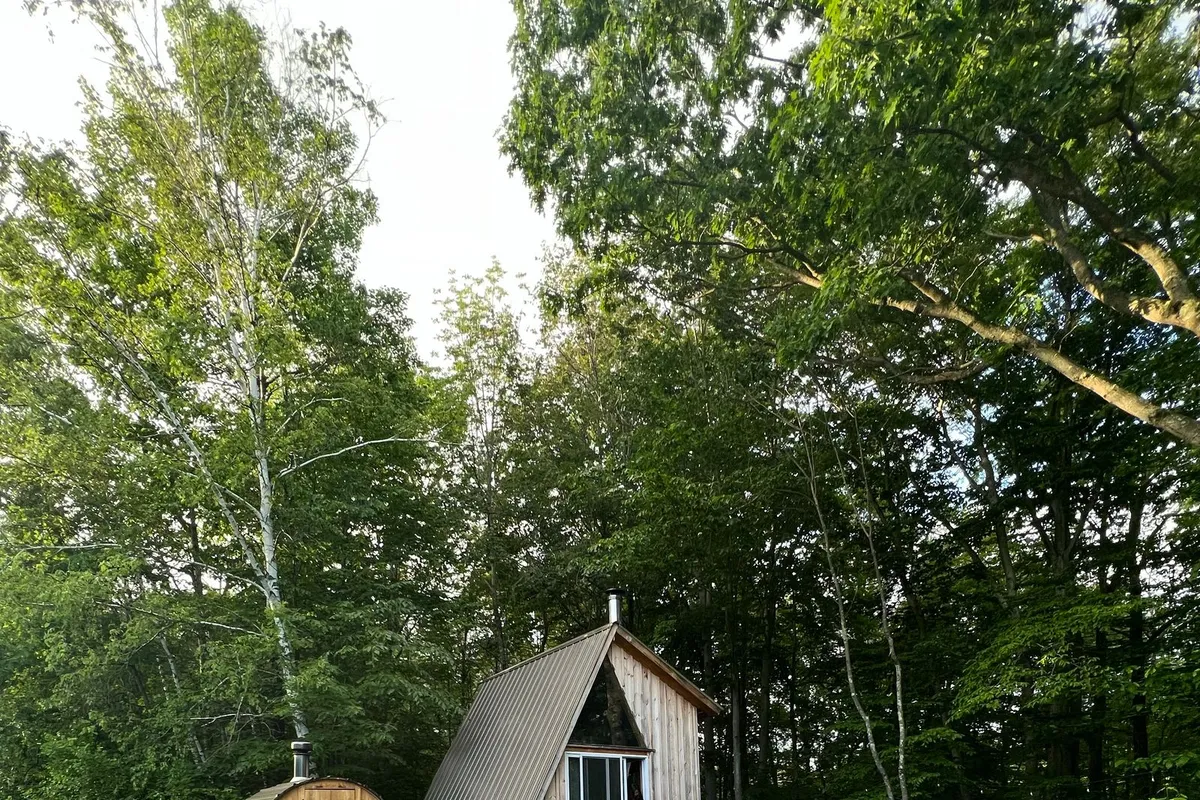
- Cedar board-and-batten with log accents
- Fully off-grid, wood-burning
- Passive ventilation
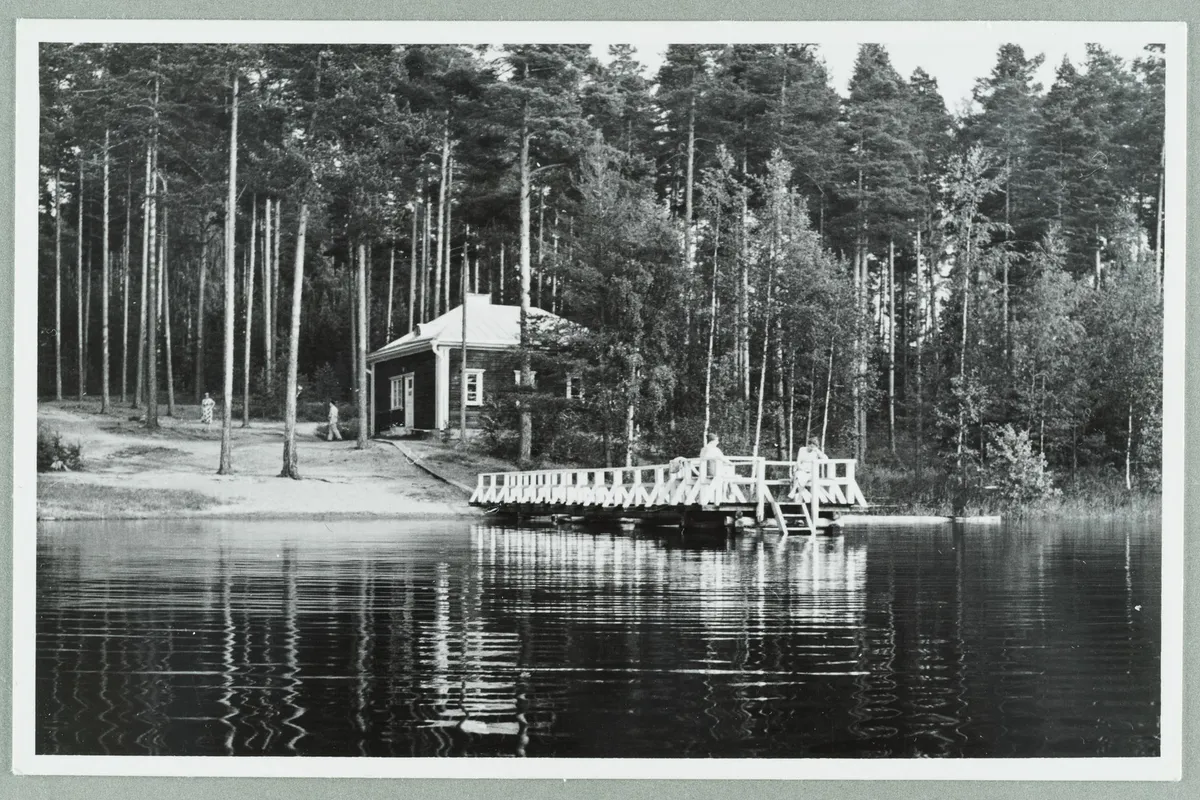
- Shore-side cooling walk
- 9 × 7 ft reference footprint
Sauna type
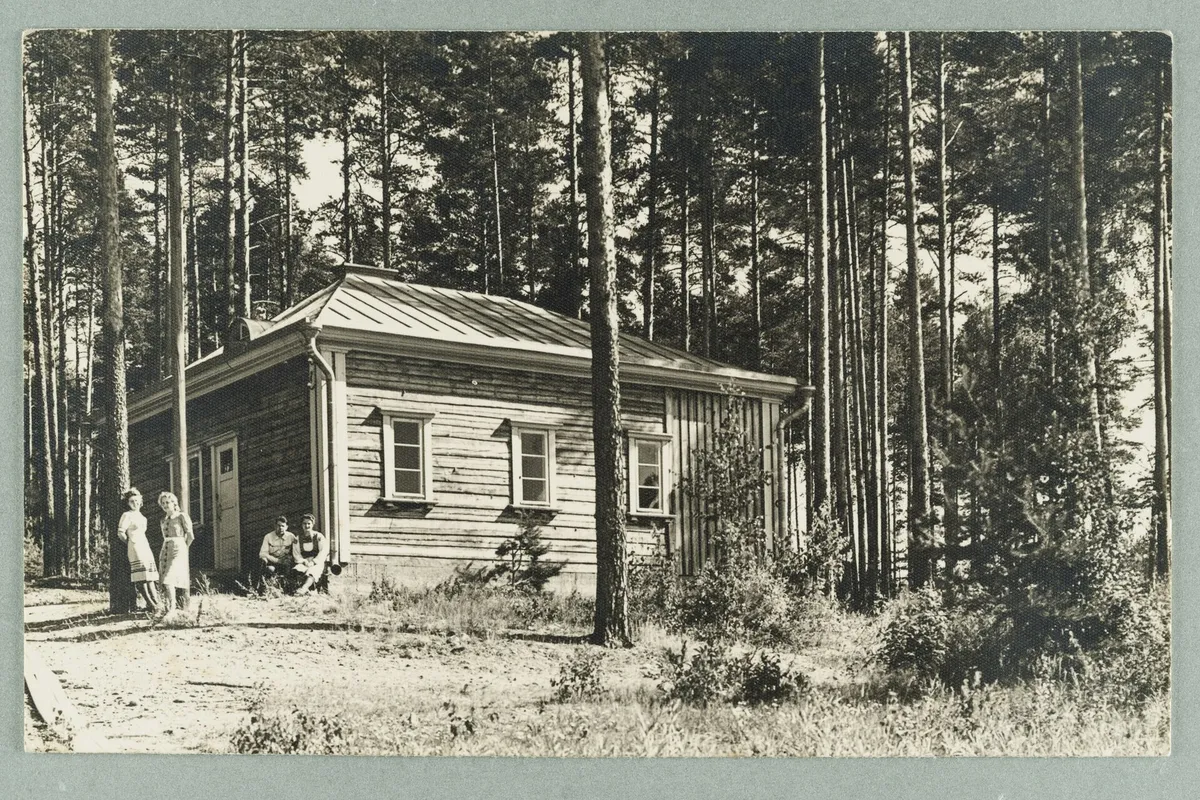
Off-grid saunas are drawn to run with no grid connection: wood heat, passive ventilation and, often, locally milled timber. They prioritise self-reliance and simple construction so they can be built and used on remote sites with minimal services.
SA-CA-051 · Reference Configuration
SA-CA-052 · Concept Profile
SA-CA-053 · Construction Archetype
SA-CA-007 · Construction Archetype
Off-grid saunas are drawn to run with no grid connection at all: wood heat, passive ventilation and, often, locally milled timber. They prioritise self-reliance and simple construction so they can be built and used on remote woodland and cabin sites with minimal services, and several carry a high-performance envelope so they still perform in remote extreme cold.
Independence shapes every decision. Foundations are gravel pads or screws that need no excavation gear, the ventilation is powerless and convection-driven, and lighting — if any — comes from a small solar or battery system kept entirely separate from the wood-fired heat. The trade-offs are the ones that come with wood and remote sites: fuel, tending, careful chimney clearances and more difficult delivery and inspection.
No — they run on wood heat with passive ventilation; any lighting is a separate off-grid addition.
A low inlet near the stove and a high outlet drive convection, so vents and stove are balanced by hand rather than powered.
Yes, provided it still carries a full insulated envelope and vapour barrier.
A gravel base or skids that need no excavation, or piers where conditions allow.
Usually intermediate, using basic tools, but stove clearances and vapour control still matter.