A self-reliant woodland cabin drawn to run with no grid connection: wood heat, passive ventilation and locally milled spruce. Built to be assembled on a remote site with basic tools and minimal deliveries.
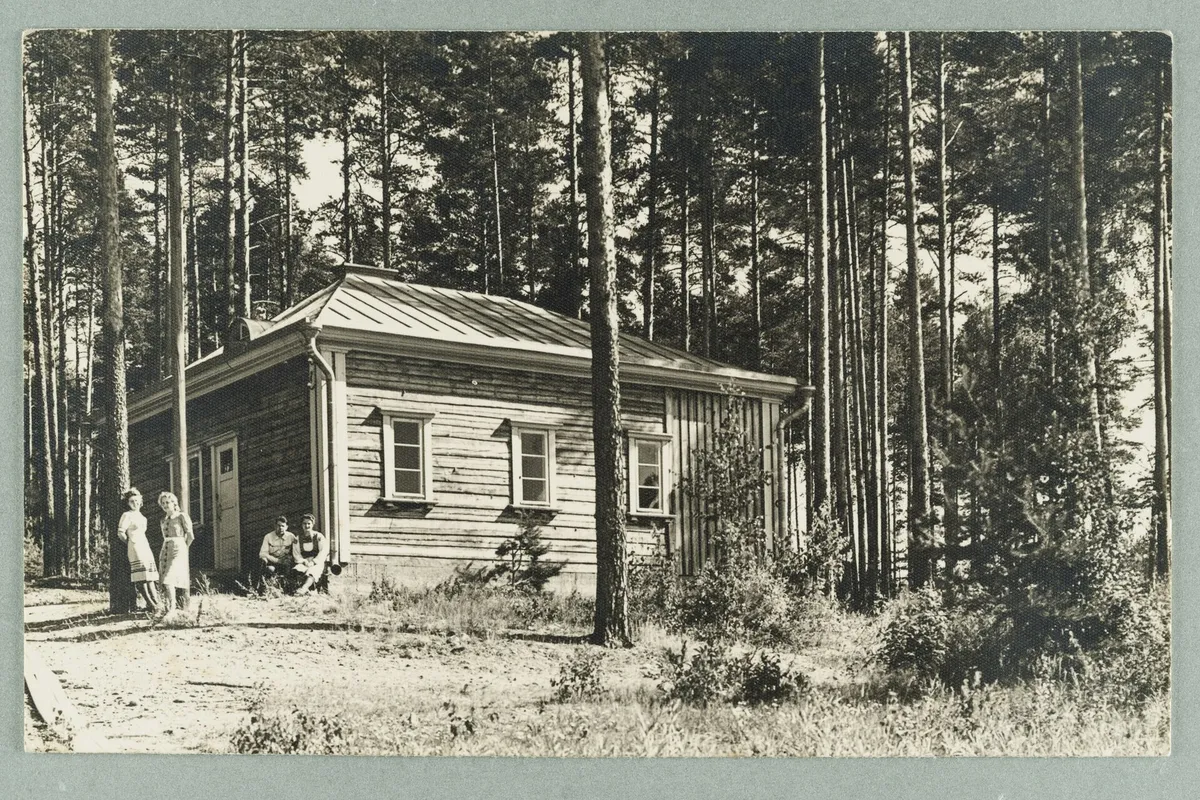
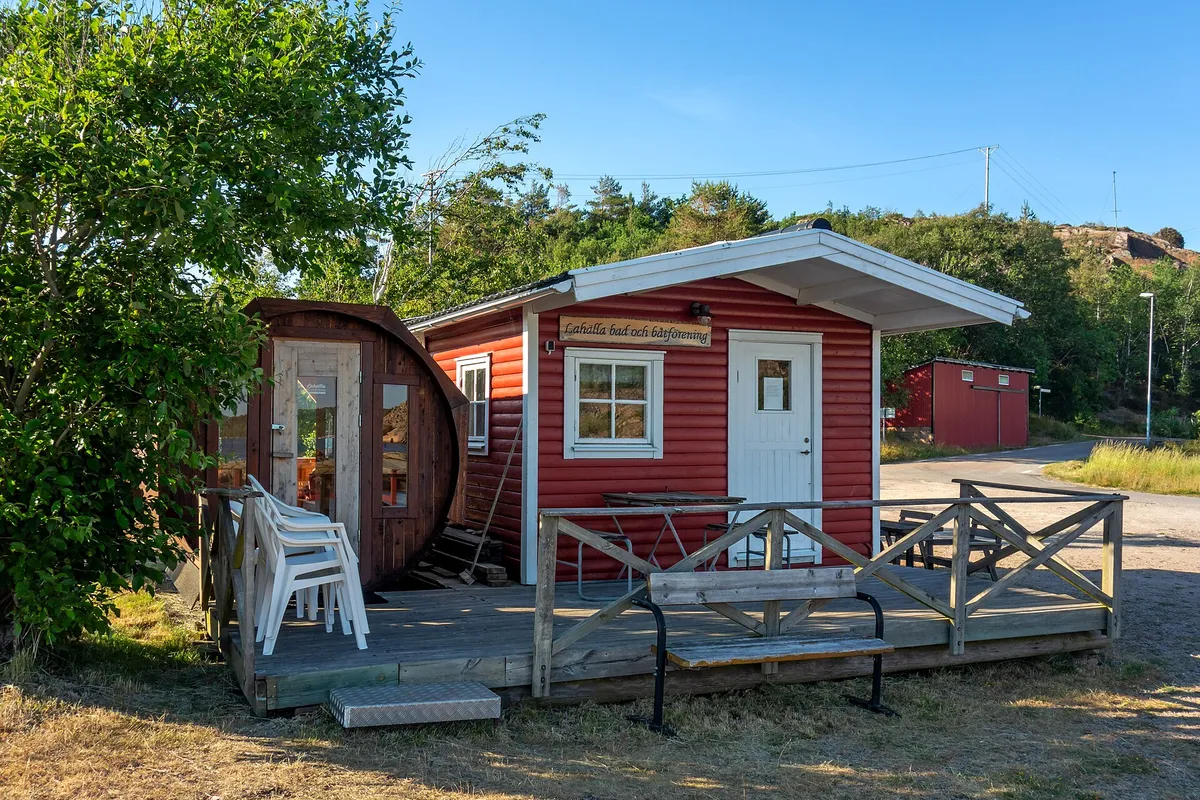
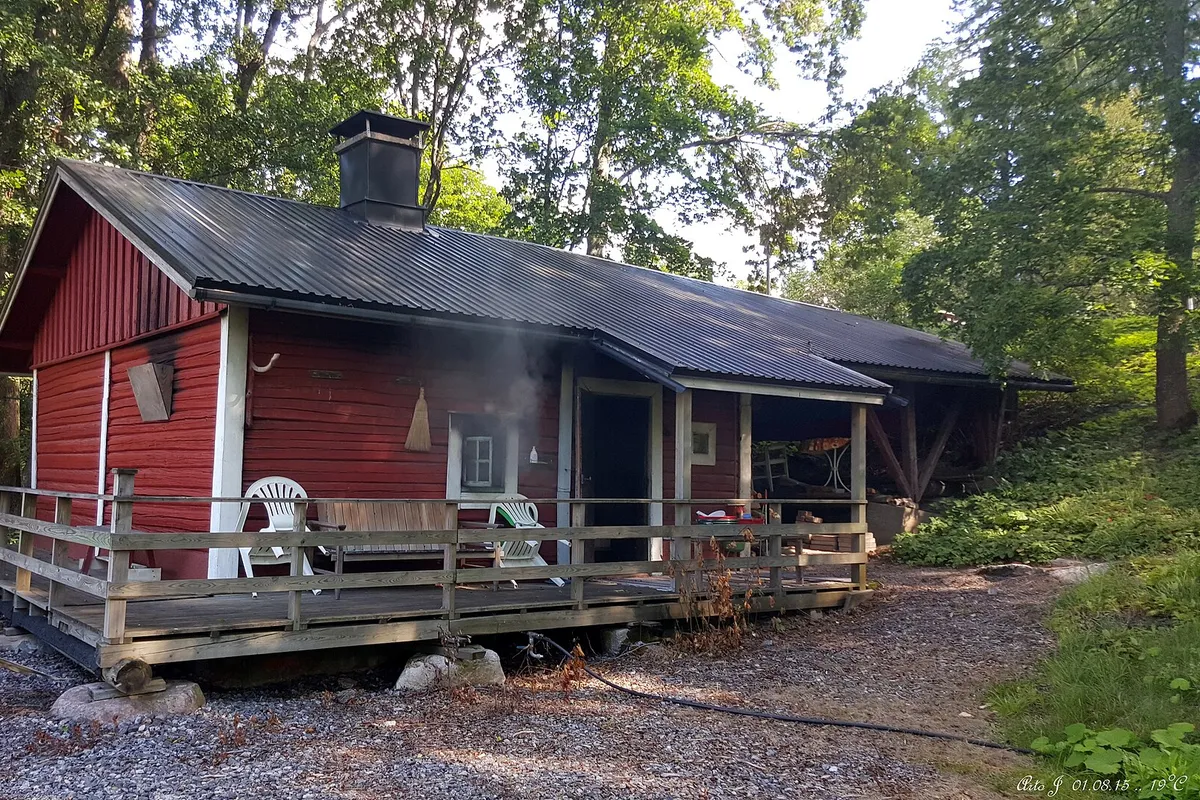
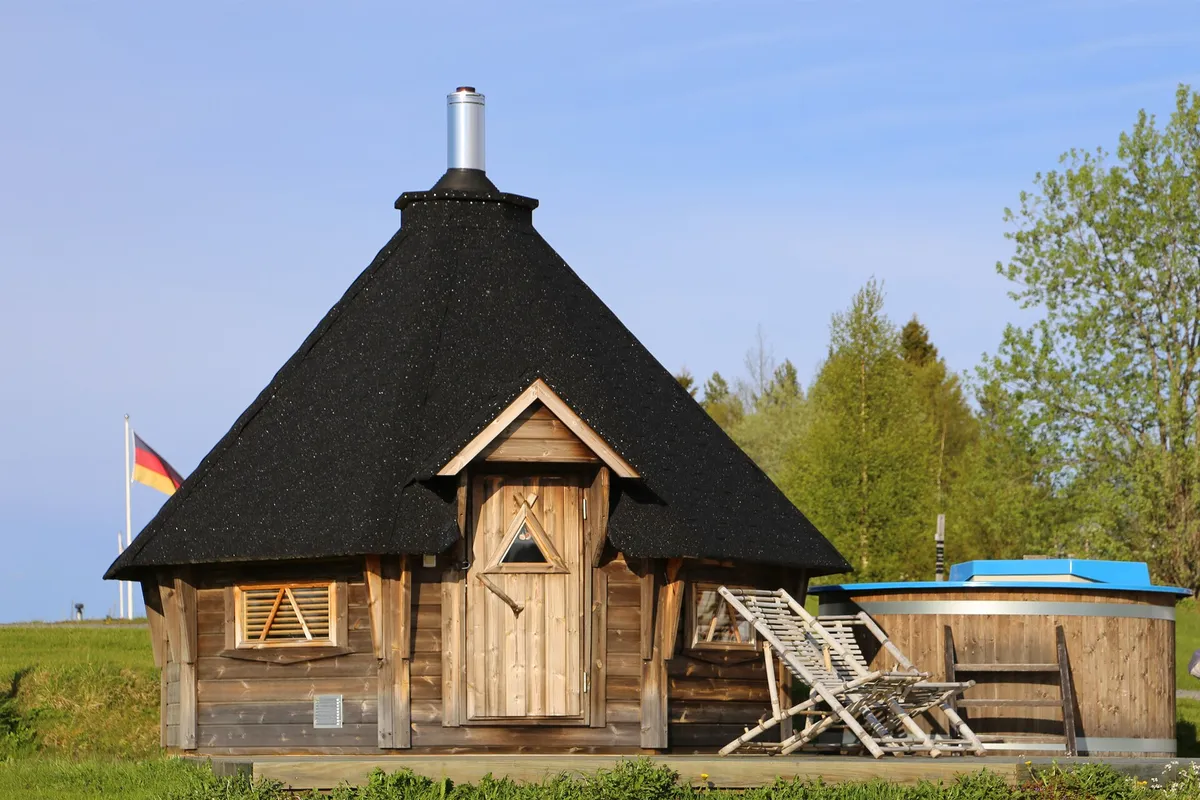
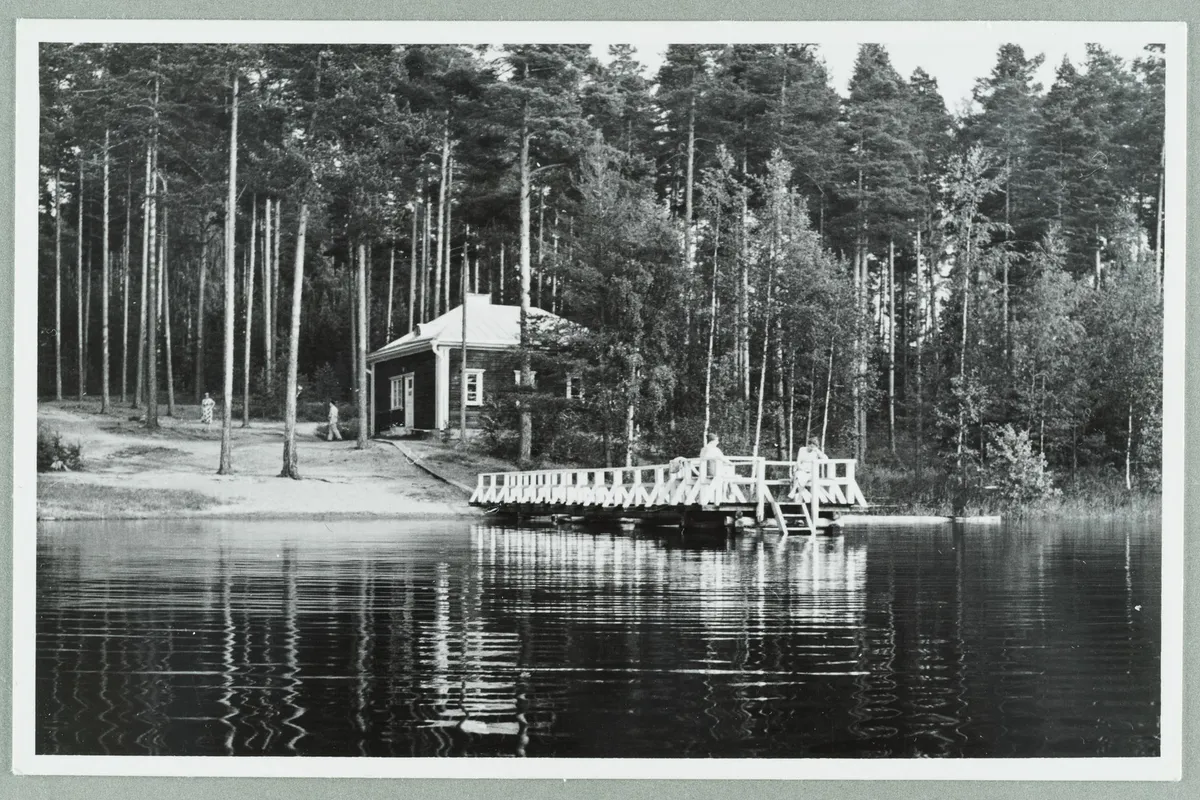
Reference image illustrating the general sauna type and visual direction.
Photo: Unknown · Public domain · source
Recommended use
Remote woodland and off-grid properties where there is no power, and materials and simplicity of construction matter as much as comfort.
Best suited for: Remote, off-grid woodland lots with no power · Owners wanting a self-reliant, low-tech build · Two to four users · Intermediate builders working with basic tools on site
Specification overview
Sauna type
Off Grid
Style
Rustic
Setting
Woodland
Capacity
2–4 people (3–4 people)
Approx. footprint
8 × 7 ft (~56 sq ft)
Approx. internal volume
250 ft³ (~7.08 m³)
Ceiling-height range
6.7–7 ft
Glazing level
Minimal
Insulation class
Cold Climate Insulated
Foundation options
Gravel Base, Skids, Concrete Piers
Roof type
Gable
Heating options
Wood-burning
Approx. heater class
Wood-burning stove
Stone-capacity preference
Moderate
Ventilation principle
Fully passive low inlet and high outlet, no powered components
Build difficulty
Intermediate
Maintenance level
Moderate
All values are approximate reference ranges for planning and comparison.
Design characteristics
Simple insulated gable cabin sized for two to four with a single bench run
Wood stove and a small window as the only openings, keeping heat loss low
Passive vent pair positioned to work by convection without any fan
Compact form that can be framed from locally milled stock
Construction notes
Framed and insulated on a gravel or skid base that suits a site with no excavation
Taped vapour barrier behind a spruce interior lining chosen for local availability
Wood stove on a non-combustible hearth with an insulated chimney and guarded clearances
Sealed floor draining to a simple soakaway appropriate for a woodland site
Heating profile
Runs entirely on a wood stove, with no electrical heater or controls
Moderate stone capacity balances warm-up speed with steam for a small group
Passive ventilation means the stove and vents are tuned together by hand
Fuel is typically sourced and seasoned on site
Final heater selection must follow the heater manufacturer's sizing instructions, safety clearances and local electrical or fire-code requirements.
Advantages
Complete independence from grid power
Simple, insulated structure buildable from local materials
Low, quiet operation with no mechanical parts
Insulated envelope still performs in extreme cold
Modest footprint suits a light-touch woodland site
Limitations
Wood firing requires attendance, fuel storage and ash handling
No powered ventilation or lighting without adding an off-grid supply
Minimal glazing keeps it dim and enclosed by design
Remote sites complicate delivery, permits and inspection
Common planning mistakes
Assuming off-grid means the vapour barrier and insulation can be skipped
Overlooking chimney clearances in a densely treed setting
Poor stove-and-vent balance, leaving the passive ventilation ineffective
Underestimating on-site logistics for materials and inspection
The Off-Grid Woodland Sauna strips the program back to essentials to show what a
cold-climate sauna needs at minimum: an insulated envelope, a stove, and
passive air movement. It is the archive’s reference for building simply, far
from services.
All figures are reference ranges for planning and comparison.
Frequently asked questions
Does the Off-Grid Woodland Sauna need electricity?
No. It is drawn to run entirely on wood heat with passive ventilation, so it needs no grid connection; any lighting would be a separate off-grid addition.
How does ventilation work without a fan?
A low inlet near the stove and a high outlet on the opposite side drive convection, so the vents and stove are balanced by hand rather than powered.
Is it warm enough for extreme cold?
Yes. Despite its simplicity it carries a full cold-climate insulated envelope, which is why it is tagged for extreme-cold and high-snow-load use.
What materials does it use?
The reference finish is locally milled rough-sawn spruce inside and out, chosen for availability on remote sites, with aspen benches.
What foundation suits a remote site?
A gravel base or skids that need no excavation, or concrete piers where conditions allow.
How many people does it seat?
Two to four on a single bench run, sized for a small group or family.
This catalogue profile is intended for preliminary planning and comparison. Final dimensions, structural design, heater selection, electrical work and safety clearances must be confirmed by qualified professionals and the relevant manufacturer documentation.
Added to the catalogue on . Catalogue Editorial Team at Outdoor Sauna Index.