Guide
Sauna Safety and Etiquette
Sauna bathing is safe and restorative for most people when approached sensibly. This guide covers the practical safety basics and the simple etiquette that keeps a shared sauna comfortable for everyone.
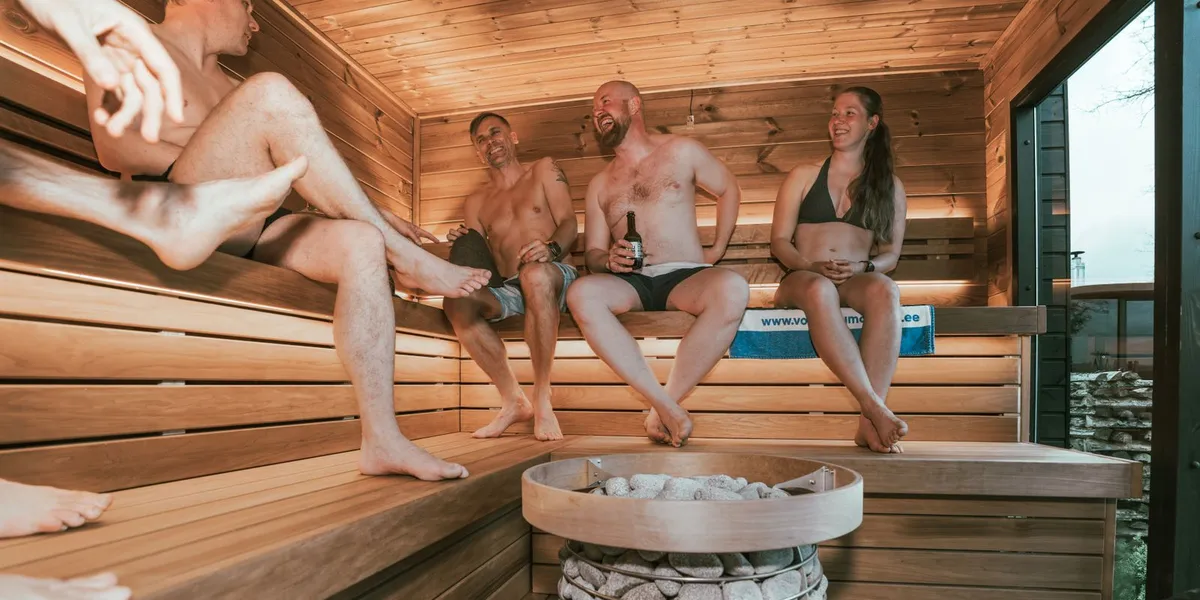
Used sensibly, a sauna is a safe and deeply restorative ritual for most people. The heat is intense but controllable, and the customs that surround sauna bathing exist to keep it comfortable, hygienic and pleasant — especially when the room is shared. This guide sets out the practical safety basics and the etiquette worth knowing. It is general information for planning and use, not medical advice.
Listen to your body
The most important safety rule is the simplest: pay attention to how you feel and leave when you have had enough. Sauna bathing is not an endurance contest. Many people settle into a rhythm of a short round of heat — often eight to fifteen minutes — followed by a cool-down and a rest, repeated once or twice. If you feel dizzy, unwell or simply done, step out. There is no prize for staying longer, and comfort is the whole point.
Hydrate, and skip the alcohol
Heat makes you sweat, so drink water before and after a session to stay hydrated. And leave alcohol out of it entirely: combining drink with high heat and dehydration is a well-recognised risk, and impaired judgement in a hot, timber-lined room is dangerous. Save any drinks for well afterward.
Ease into heat and cold
Both halves of the ritual reward a gentle approach:
- Heat. Start on a lower bench if you are new or unsure — heat gathers near the ceiling, so the upper bench is hottest. Build up over rounds rather than sitting through discomfort.
- Cold. The cool-down — fresh air, a cool shower, or a plunge — is invigorating, but cold exposure is not for everyone. Ease in gradually, never plunge alone into ice water if you are unsure, and stop if it does not feel right.
Who should take extra care
Some people should seek professional medical advice before using a sauna or a cold plunge, including anyone with heart or blood-pressure conditions, during pregnancy, or with other health concerns. Children and infants are more sensitive to heat and should only use a sauna with adult supervision, at lower temperatures, for shorter times, and never alone. If you are ever unsure whether the sauna is right for you, ask a qualified professional first.
Never bathe impaired or alone if unsure
Two habits protect against the rare but serious problems: do not bathe impaired, and if you are new, unwell or plunging into cold water, do not do it alone. A companion — or simply someone who knows you are out there — turns a moment of dizziness into a non-event.
The etiquette of a shared sauna
When the sauna is used with others, a handful of quiet conventions keep it pleasant:
- Sit on a towel. It is hygienic and comfortable, and it protects the timber. Keep a second towel for drying.
- Rinse before you enter if a shower is available, and again before a shared plunge — it keeps the water and the benches clean.
- Ask before adding löyly. Throwing water on the stones raises the heat and humidity for everyone, so a quick “more steam?” is good manners.
- Keep the door closed and open it briefly — every long-open door dumps the heat the group has built up.
- Keep it calm. A sauna is a quiet, unhurried space; match the mood of the room, and keep phones out of the heat and the moment.
- Respect the group’s norms on clothing and conversation, which vary by culture and by whether the sauna is private or public. Comfort and courtesy matter more than any single rule.
A safe sauna is a well-built one
Finally, much of “safety” is designed in before the first session. A sauna with a correctly installed heater or stove, a door that opens outward and never locks, sound ventilation, and heat-rated lighting is a sauna that is easy to use safely. Build it right, use it sensibly, and treat the heat and the cold with respect — and the sauna will look after you in return.
Frequently asked questions
How long should a sauna session last?
Many bathers stay 8 to 15 minutes per round, cool down, and repeat once or twice. Listen to your body and leave when you have had enough rather than watching a clock — comfort, not endurance, is the goal.
Is it safe to drink alcohol in a sauna?
No. Combining alcohol with high heat and dehydration is a well-recognised risk. Save any drinks for well after the sauna, and never bathe impaired.
Can children use a sauna?
Only with adult supervision, at lower temperatures, for shorter times, and never alone. Children and infants are more sensitive to heat, so err firmly on the side of caution and consult a professional about age-appropriate use.
Who should avoid the sauna or check with a doctor first?
Anyone with heart or blood-pressure conditions, during pregnancy, or with other health concerns should seek professional medical advice before using a sauna or a cold plunge. This guide is general information, not medical advice.
Do I need to be naked in the sauna?
Conventions vary by culture and by whether the sauna is private or shared. What matters is sitting on a towel, keeping it clean, and respecting whatever the group has agreed — comfort and hygiene over any single rule.
Added to the catalogue on . Catalogue Editorial Team at Outdoor Sauna Index.