Guide
Cooling Down and the Cold Plunge
The cool-down is not an afterthought to the heat — it is half the experience. This guide covers the cooling options, how to plan the cooling zone, and simple, sensible comfort guidance.
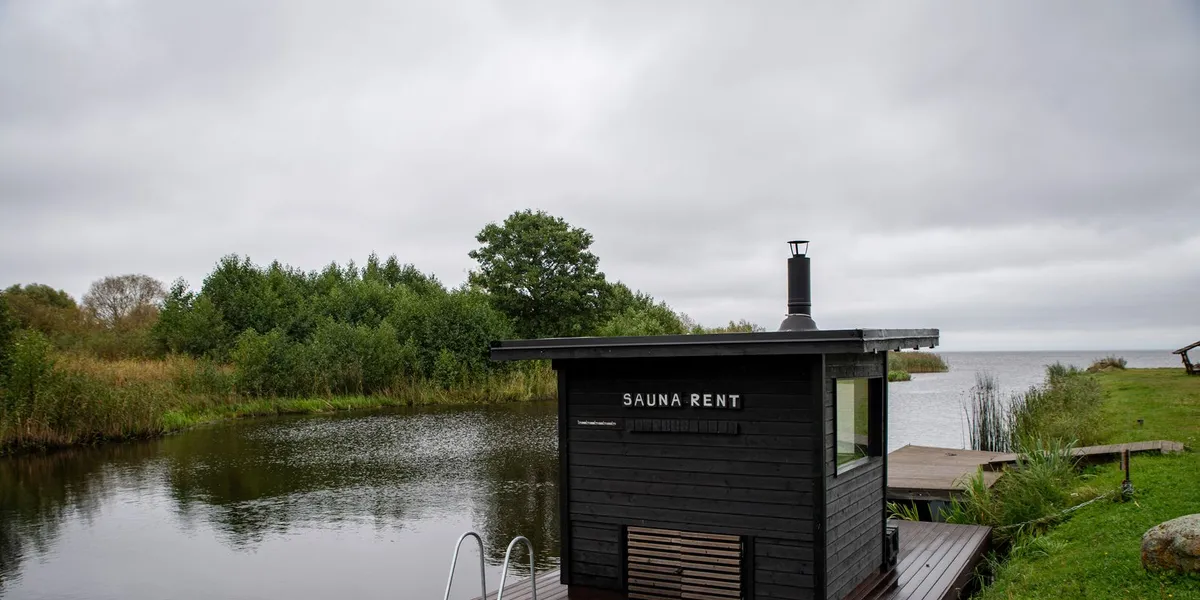
Newcomers focus on the heat; experienced bathers know the cool-down is half the point. The rhythm of hot, then cool, then rest — repeated — is what makes a sauna feel so good. Designing the cooling into an outdoor sauna is as important as sizing the heater.
Why we cool down
After the heat, cooling is invigorating and refreshing, and it lets the body settle before the next round of warmth. The contrast is the experience for many people. How intense that contrast is — a breath of cold air, a cool shower, or a plunge into cold water — is entirely a matter of preference.
The options, from gentle to bracing
- Fresh air — stepping out onto a deck or into a cool room. The simplest cool-down, and plenty for many bathers, especially in a Canadian winter where the outdoor air does the work.
- Cool or cold shower — an outdoor shower rinses and cools in one step, and keeps a nearby pool or plunge cleaner. Several archive profiles include one.
- Plunge tub or barrel — a dedicated cold tub for a stronger contrast.
- Natural water — a lake, river or the sea, stepped into from a shoreline or a floating sauna. The archive’s lakeside and floating profiles make this the centrepiece.
- Rest — a bench, a cabin, a covered deck simply to sit and let the heat fade before the next round.
Planning the cooling zone
The cool-down needs its own space and route, planned with the sauna:
- a covered deck keeps cooling usable in rain and snow,
- an outdoor shower wants drainage routed clear of the structure,
- a plunge needs space, water and drainage,
- a route to a lake must respect shoreline setbacks and be safe underfoot.
This is why the archive treats the cooling area, covered deck and outdoor shower as distinct features on a profile — they are part of the design, not extras.
A word on comfort and safety
Cold exposure is bracing and, for many, part of the pleasure — but it is not suitable for everyone, particularly those with heart or blood-pressure conditions, or during pregnancy. Ease into cold gradually, listen to your body, never bathe impaired, and don’t sauna or plunge alone if you are unsure. This is general information for planning, not medical advice; check with a qualified professional about your own circumstances.
Matching it to a profile
Decide early how you want to cool down — fresh air, shower, plunge or water — and let that guide which profiles suit you. A compact backyard cabin pairs with a shower; a lakeside or floating profile makes the water itself the plunge. The cool-down, in the end, is what turns a hot room into a sauna.
Frequently asked questions
Why is cooling down part of the sauna?
The contrast between heat and cool is the heart of the ritual for many bathers — it is invigorating and refreshing. The cool-down also lets the body settle between rounds of heat.
What are the cooling options?
Fresh air on a deck, a cold or cool shower, a plunge tub or barrel, a natural body of water, or simply resting in a cool room. Profiles pair the sauna with a chosen cooling route.
Do I need a cold plunge?
No. Fresh air and a cool shower are perfectly good cool-downs. A plunge is one option among several, not a requirement.
Is cold plunging safe for everyone?
Cold exposure is not suitable for everyone, especially with heart or blood-pressure conditions or during pregnancy. This is general information, not medical advice — check with a qualified professional about your situation.
How does cooling affect the design?
It determines whether you need a covered deck, an outdoor shower, a plunge, or a route to water — features the archive plans into the relevant profiles.
Added to the catalogue on . Catalogue Editorial Team at Outdoor Sauna Index.