Guide
Permits, Setbacks and Local Rules for Outdoor Saunas
The rules are the part people skip and regret. This guide explains the permits, setbacks and approvals an outdoor sauna typically involves, and why you must confirm the specifics with your local authority.
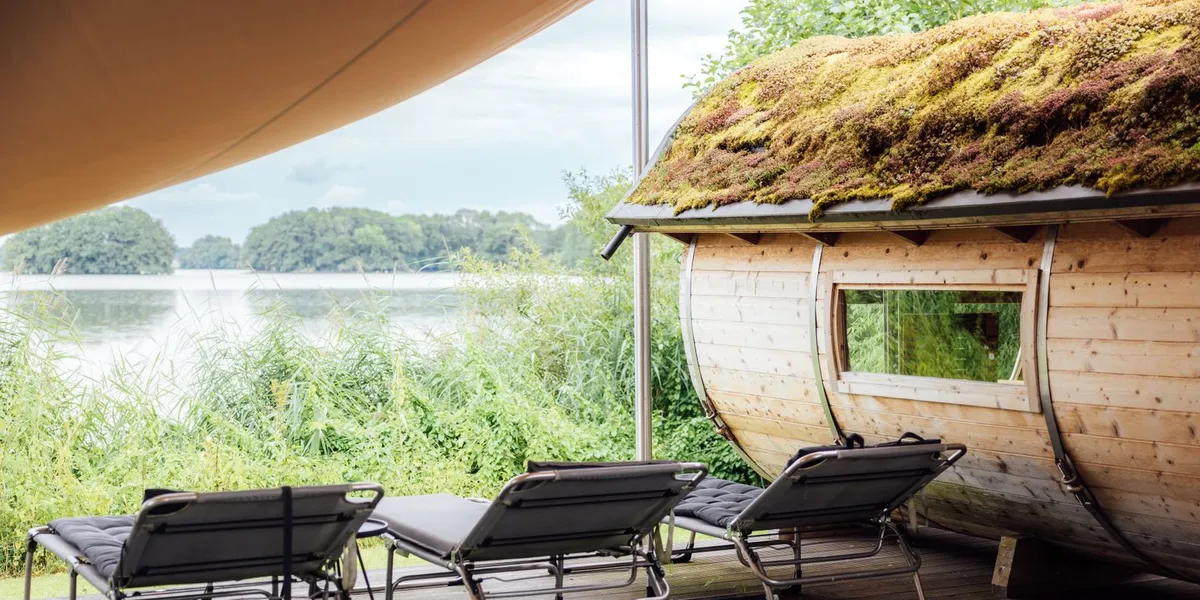
The rules are the least glamorous part of building an outdoor sauna and the part most likely to cause trouble if ignored. Permits, setbacks and local approvals are not red tape for its own sake — a sauna combines a structure, an electrical or fire hazard, and often water, and the regulatory process exists to confirm it is built safely and sited sensibly. This guide explains what is typically involved. One caution up front: rules vary widely by municipality and by lot, so this is general information, and your local authority is the only reliable source for what applies to you.
What usually needs a permit
For most outdoor saunas, expect that some or all of the following need approval:
- The structure — a permanent building, even a small one, often requires a building permit.
- The electrical work — an electric sauna’s dedicated circuit typically needs an electrical permit and inspection.
- The wood stove — a wood-burning sauna’s stove, hearth and chimney usually fall under fire-code approval.
Whether each applies, and to what standard, depends on where you are. The safe assumption is that a permit is needed until your local authority tells you otherwise.
Setbacks: distance from lines and features
Setbacks are the required minimum distances between the sauna and various features — property lines, other buildings, shorelines, wells and sometimes septic systems. They shape where on your lot the sauna can go, and they are set locally. Checking your setbacks early is essential, because they can rule out a preferred spot before you have invested in a design. The siting guide and choosing a layout for your site both start from this constraint for good reason.
Shoreline and environmental rules
Waterfront sites carry an extra layer. Shoreline setbacks and environmental rules are typically stricter than inland ones, governing how close to the water you can build and what you can disturb. They vary by location and can be decisive. If you are planning a lakeside or floating sauna, confirm these rules before committing to a position; they often push the sauna back from the very edge and up onto a lifted foundation.
DIY does not mean rule-free
A common misconception is that building the sauna yourself sidesteps the paperwork. It does not. A DIY build still needs the relevant permits and inspections — for the structure, the electrical work and any wood stove — just as a professionally built one does. In fact, the inspection is where a self-build gets an independent check that the safety-critical parts are right, which is worth having. The DIY vs professional guide covers which parts to hand to a professional regardless.
How to approach it
A sensible order of operations:
- Ask your local authority what permits apply to a sauna of your type and heat source, and what the setbacks are for your lot.
- Site the sauna within those setbacks, factoring in the electrical or chimney route.
- Design to the requirements, keeping the paperwork in mind rather than discovering it late.
- Pull the permits, build, and pass inspection, keeping the records.
The archive’s standing caveat
Every profile in the archive carries the same reminder, and it is the honest bottom line here too: the figures and descriptions are for preliminary planning and comparison, and the final structural, electrical and safety details — including permits, setbacks and clearances — must be confirmed by qualified professionals and your local authority before you build. Treat the rules as the first step, not the last, and the rest of the project goes far more smoothly.
Frequently asked questions
Do I need a permit to build an outdoor sauna?
In most places, yes — commonly for the structure, the electrical work and any wood stove. Requirements vary widely by municipality, so confirm what applies to your project with your local authority before starting.
What are setbacks?
Required minimum distances between a structure and property lines, other buildings, shorelines, wells and sometimes septic systems. They are set locally and must be checked for your specific lot.
Are shoreline saunas subject to extra rules?
Usually, yes. Waterfront sites carry stricter setbacks and environmental rules that vary by location. Confirm them before siting anything near water.
Does a DIY build still need permits?
Yes. Building it yourself does not remove the need to meet local requirements and pass inspection for the structure, the electrical work and any wood stove.
Can this guide tell me my exact requirements?
No. Rules vary by municipality and by lot, and this is general information, not regulatory advice. Your local authority is the only reliable source for the specifics that apply to you.
Added to the catalogue on . Catalogue Editorial Team at Outdoor Sauna Index.