Guide
Winterising an Outdoor Sauna
Winter is when an outdoor sauna earns its keep — and when it needs the most care. This guide covers pre-winter preparation, keeping it usable through the season, and safe cold-weather practice.
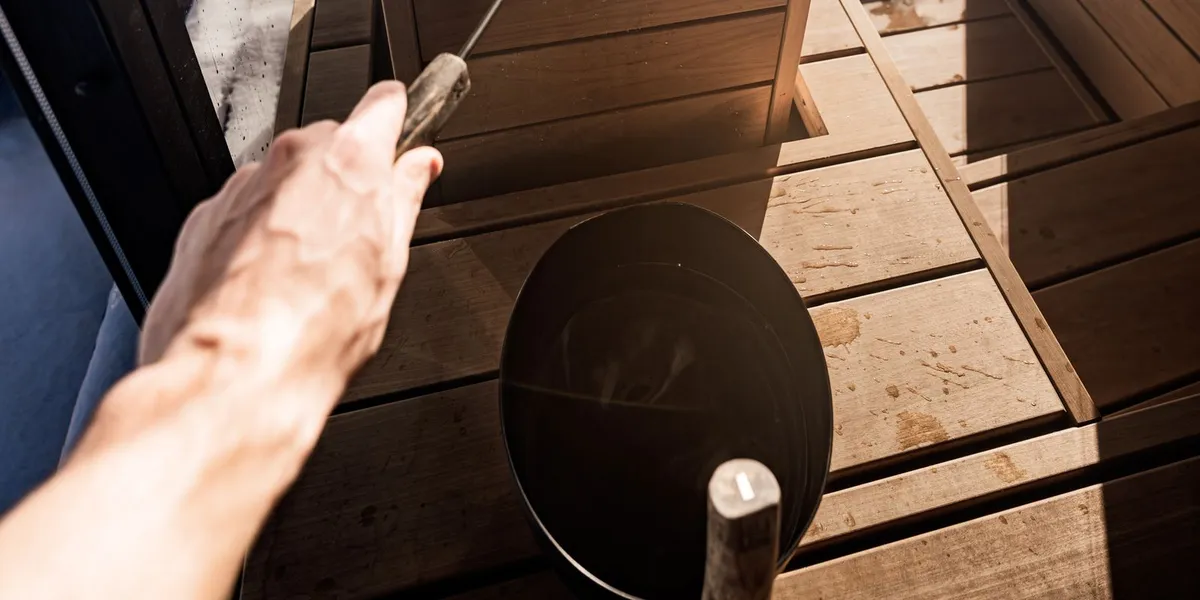
An outdoor sauna is at its best in winter — the contrast of deep heat and biting cold is the whole point in a Canadian February. But winter also asks the most of the building and the user. A little preparation keeps it safe, usable and efficient all season.
Before the snow: preparation
- Service the heat source. Have an electric heater checked by a qualified electrician if needed; for a wood stove, clean the chimney, check clearances and the hearth, and lay in seasoned, dry firewood under cover.
- Protect any water. Drain down, heat-trace or otherwise protect plumbed lines that could freeze; bucket-and-ladle setups sidestep this entirely.
- Clear the roof and base. Remove autumn debris, check that drainage and the ground grade still send water away, and confirm overhangs are clear.
- Check seals and the door. Inspect weatherstripping and glazing seals, and make sure the outward-opening door swings freely and latches lightly.
Through the season: keeping it usable
- Keep the path and entry clear. A shovelled, gritted path and a wind-sheltered entry are what keep a winter sauna in regular use. Drifting snow can block a door and rob heat every time it opens.
- Manage roof snow. Steep pitched roofs shed on their own; clear a flat or low-slope roof if accumulation approaches its design load. Never let snow overload the structure.
- Allow for longer warm-up. Deep cold and wind lengthen warm-up, so pre-heat with a timer (electric) or light the stove earlier (wood). This is where a well-insulated, cold-climate envelope pays off.
- Dry it out after use. Winter or not, leave the vents open so the room dries; trapped moisture is still the main long-term risk.
The winter cool-down
The reward of a winter sauna is the cold. Options run from a breath of frigid air on the deck to a roll in the snow or a cold plunge through a hole in the ice at established, supervised spots. Cold exposure is bracing and, for many, the highlight — but it is not for everyone. Ease into it, never do it impaired, don’t go alone into ice water if you are unsure, and treat this as general guidance, not medical advice; check with a qualified professional about your own health.
Why the envelope matters most in winter
Everything the archive says about insulation, foundations and roofs comes into its own in winter. A cold-climate insulated envelope on a lifted, frost-stable foundation with a snow-rated roof is what makes a sauna reach temperature efficiently, hold it against the wind, and survive the freeze-thaw — season after season.
Frequently asked questions
Do I need to drain water lines before winter?
Any plumbed line that could freeze should be drained down, heat-traced or otherwise protected. Bucket-and-ladle saunas avoid the problem entirely, which is why many cold-climate saunas keep water simple.
Should I clear snow off the roof?
Clear a flat or low-slope roof if snow approaches its design load; steep pitched roofs usually shed on their own. Keep the design snow load in mind and never overload the structure.
How do I keep the entry usable in winter?
Keep the path and door clear of snow and ice, shelter the entry from wind and drifting, and make sure the outward-opening door can always swing free.
Is it safe to cool down in the snow?
Rolling in snow or a cold plunge is a traditional, invigorating cool-down for many, but cold exposure is not for everyone. Ease in, never do it impaired or alone if unsure, and check with a professional about your own health.
Does winter use cost more to run?
Warm-up takes longer from deep cold and wind, so an insulated envelope and a sensibly sized heater matter most in winter — which is exactly what the cold-climate profiles are drawn for.
Added to the catalogue on . Catalogue Editorial Team at Outdoor Sauna Index.