Guide
Maintaining an Outdoor Sauna
An outdoor sauna in a cold climate rewards a little regular care. This guide covers interior timber, exterior cladding, the heater or stove and stones, drainage and the seasonal jobs that keep it lasting.
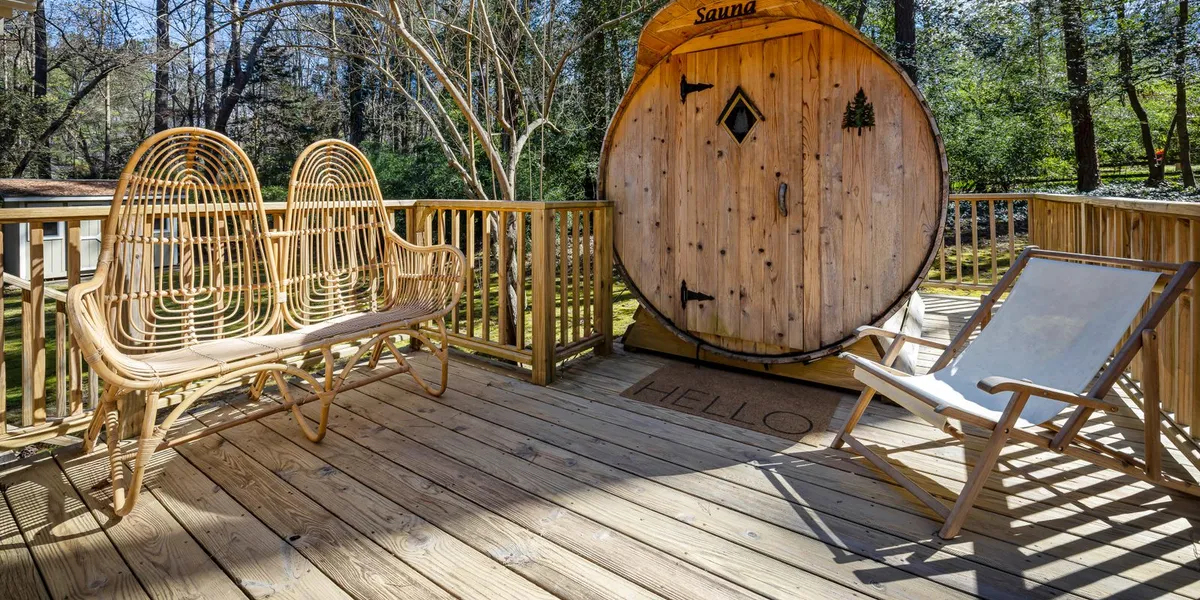
An outdoor sauna is a simple building that lives a hard life: hot and humid inside, cold and wet outside. A little regular care keeps it efficient, healthy and long-lived — and most of it is about managing moisture.
After every session
- Leave the vents open and, if possible, the door ajar so the room dries.
- Give the drain a moment to clear rinse water.
- Wipe down benches if needed; let everything dry before closing up.
Drying is the single most valuable habit. A sauna that dries fully after each use rarely develops the damp problems that shorten a poorly ventilated one’s life.
Interior timber
Do not varnish or seal interior sauna timber — coatings trap moisture and get uncomfortably hot. Instead, rely on the timber’s natural properties (cedar, thermowood, aspen, alder) and keep it clean with water and a mild cleaner. Benches can be lightly sanded over the years to refresh the surface. Good ventilation does more for the interior than any product.
Exterior cladding
Cedar and thermowood can be left to weather to a silver-grey, or oiled to hold their original tone — both are valid; it is an aesthetic choice. Whatever you choose:
- keep the rainscreen cavity clear so water can drain and dry,
- clear debris from around the base and off the roof, and
- check flashings, the door seal and any glazing seals each year.
The heater or stove and the stones
- Electric heaters: keep them clean and clear, and have any electrical concern looked at by a qualified electrician.
- Wood stoves: remove ash regularly, clean the chimney periodically, and check the hearth and clearances — all per the stove manufacturer’s guidance.
- Stones (both types): inspect them for cracking and dust, remove broken pieces, and replace them as they degrade. Fresh, well-stacked stones give better steam and airflow.
Seasonal jobs
- Autumn — clear the roof and base of leaves; check seals and drainage before winter; service the stove or heater.
- Winter — keep snow off a flat or low roof if it exceeds its design load; keep the entry and vents clear.
- Spring — a full clean inside and out; check for any moisture that got in over winter; refresh oil on exterior timber if you use it.
- Summer — the best time for sanding benches, cleaning glazing and any structural checks.
The long view
Maintenance is really moisture management plus a few annual checks. Keep the room drying properly, keep water moving away from the structure, look after the heater and stones, and an outdoor sauna will serve for decades. As always, follow the manufacturer’s documentation for the heater, stove and any glazing.
Frequently asked questions
How do I keep the interior benches clean?
Let the room dry fully after use, wipe benches with water and a mild cleaner as needed, and avoid sealing or varnishing interior timber, which traps moisture and gets hot.
Should exterior cladding be treated?
It depends on the timber and the look you want. Cedar and thermowood can be left to weather to silver-grey, or oiled to hold their tone; either way, keep the rainscreen cavity clear.
How often are heater stones replaced?
Periodically — they degrade with heat cycling and can crumble. Inspect them, remove dust and broken pieces, and replace as the manufacturer advises.
What is the biggest maintenance risk in a cold climate?
Trapped moisture. Good ventilation, a working drain and drying the room after use prevent the damp that causes most long-term damage.
Does a wood stove need extra upkeep?
Yes — regular ash removal and periodic chimney cleaning, plus checking clearances and the hearth, all following the stove manufacturer's guidance.
Added to the catalogue on . Catalogue Editorial Team at Outdoor Sauna Index.